
Batik Craft for Team Building That Works
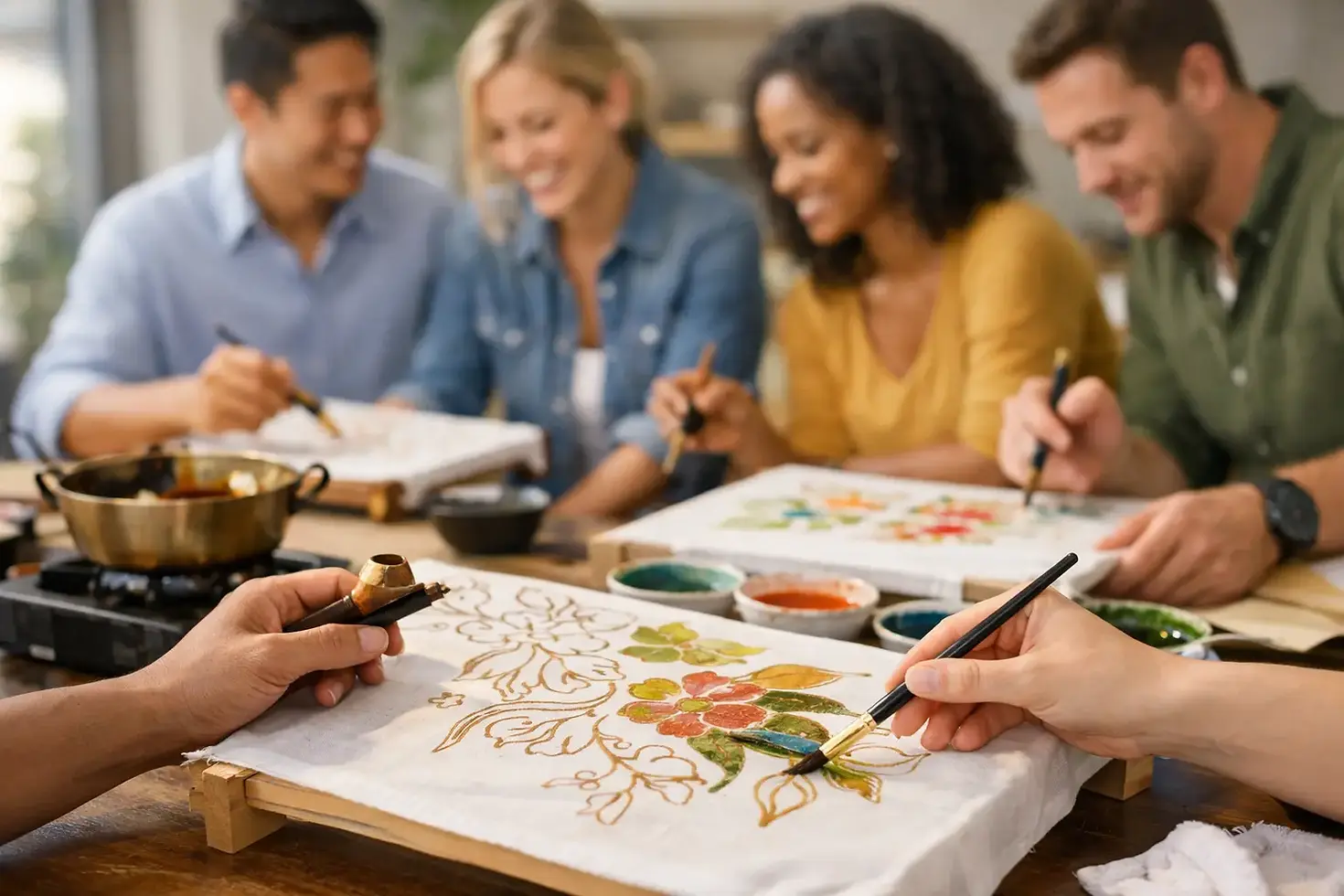
Some team activities get polite smiles and are forgotten by Monday. A batik craft for team building tends to stick because people leave with something they made, not just a photo from the event. You can see the colors, compare patterns, and remember who mixed the boldest palette or surprised everyone with a careful, detailed design.
That matters more than it sounds. When a group sits down to create together, the pressure shifts. People who do not usually speak up in meetings often feel more comfortable around paint, color choices, and shared tables. The activity gives everyone a place to start, even if they are not "art people."
Why batik craft for team building feels different
Batik has a strong visual payoff, which helps in group settings. Participants do not need years of art training to produce something attractive, especially when the design is already prepared on a pre-waxed surface. That removes one of the hardest parts of traditional batik while keeping the experience rooted in the art form itself.
For team building, that balance is useful. If an activity is too technical, people get frustrated. If it is too simple, it feels childish or forgettable. Batik sits in a satisfying middle ground. It feels creative and hands-on, but it is still approachable for beginners.
There is also a quiet benefit that organizers often overlook. Batik painting creates natural conversation without forcing it. Instead of asking coworkers to perform trust exercises or answer awkward icebreaker questions, you give them a shared task. People start by talking about colors and patterns, then move into easier, more genuine conversation.
What makes batik a good fit for mixed groups
Most workplaces are mixed in every sense - personalities, age ranges, job functions, comfort levels, and attention spans. A good team activity has to work across that range. Batik does, because it leaves room for different working styles.
Some participants will move quickly and use bright, playful color combinations. Others will slow down and treat it almost like meditation. Neither approach is wrong. That flexibility helps people enjoy the same session in their own way, which is not always true of highly competitive games or physically active challenges.
It is also easier on people who do not enjoy being put on the spot. A craft table gives them something to do with their hands. That lowers social tension and makes the event feel more welcoming. In many teams, that is where the real connection starts.
The beginner-friendly advantage
A lot of art workshops fail as corporate activities because they expect too much too fast. If participants have to learn every technical step from scratch, the room can split between confident creatives and everyone else.
Pre-waxed batik kits solve that problem. The wax-resist design is already in place, so participants can focus on painting and color blending. That means less time spent explaining setup and more time actually creating. For organizers, it also means a smoother event with fewer stalled moments.
This is one reason ready-to-paint batik sets work well for offices, school staff groups, volunteer teams, and private events. The process feels authentic, but the barrier to entry is much lower.
What a batik team session actually encourages
People often describe team building as if it has to produce dramatic breakthroughs. Usually, the better outcome is simpler. You want people to relax, collaborate naturally, and learn something new about one another.
Batik supports that in a few practical ways. It encourages observation because participants notice how others use color and technique. It encourages sharing because people ask to borrow shades, compare ideas, or compliment a finished piece. And it encourages patience because the process is hands-on and a little slower than digital work.
That last point is worth keeping. Many teams spend their entire day moving between screens, messages, and deadlines. A tactile activity changes the pace. It gives people a different kind of focus, which can be refreshing in a way that loud, fast group games are not.
Creativity without competition
Some team events lean hard on winners and losers. That can energize certain groups, but it can also leave quieter participants disengaged. Batik is better when the goal is participation rather than performance.
People can still admire each other's work, of course. But the value comes from the process as much as the result. Everyone leaves with an individual piece, yet the room still feels shared. That mix of personal expression and group atmosphere is a big reason craft-based sessions feel memorable.
How to plan a batik craft event that runs smoothly
The best batik team sessions are structured enough to feel organized and relaxed enough to let people enjoy themselves. Start with the group size and the amount of time you actually have. A shorter session works best when materials are ready in advance and the design stage is simplified.
Choose pre-waxed pieces for exactly that reason. They reduce prep time, lower the skill barrier, and help the whole group move at a similar pace. For organizers, this is the difference between a fun creative event and a room full of people waiting for help.
Table setup matters too. Give participants enough space for palettes, brushes, water, and their batik surface. If the setting is too cramped, even a simple craft starts to feel stressful. A clean, well-laid-out station makes the activity feel polished and beginner-friendly.
The introduction should be brief and encouraging. Explain what batik is, show a couple of sample color approaches, and then let people begin. Long explanations can make adults self-conscious before they even start painting. A better tone is, "Here is the technique, here are your colors, and here is where you can make it your own."
When batik is the right choice - and when it may not be
Batik craft for team building is a strong fit when your goal is connection, creativity, and a calmer group experience. It works especially well for teams that want something more meaningful than a standard game or lunch outing.
It may be less ideal if your event needs high physical energy or if the setting cannot support basic craft materials. That does not mean it is difficult, only that it benefits from a little setup and a group willing to slow down for the session. If your team wants adrenaline, choose something else. If your team wants a shared creative moment with a real takeaway, batik is a smart option.
This is where organizers should be honest about what the group actually needs. A new team may benefit from an activity that lowers social barriers. A long-established team may enjoy batik as a refreshing change from the usual format. A client event may appreciate the polished, artisanal feel of a cultural craft experience.
Why the finished piece matters
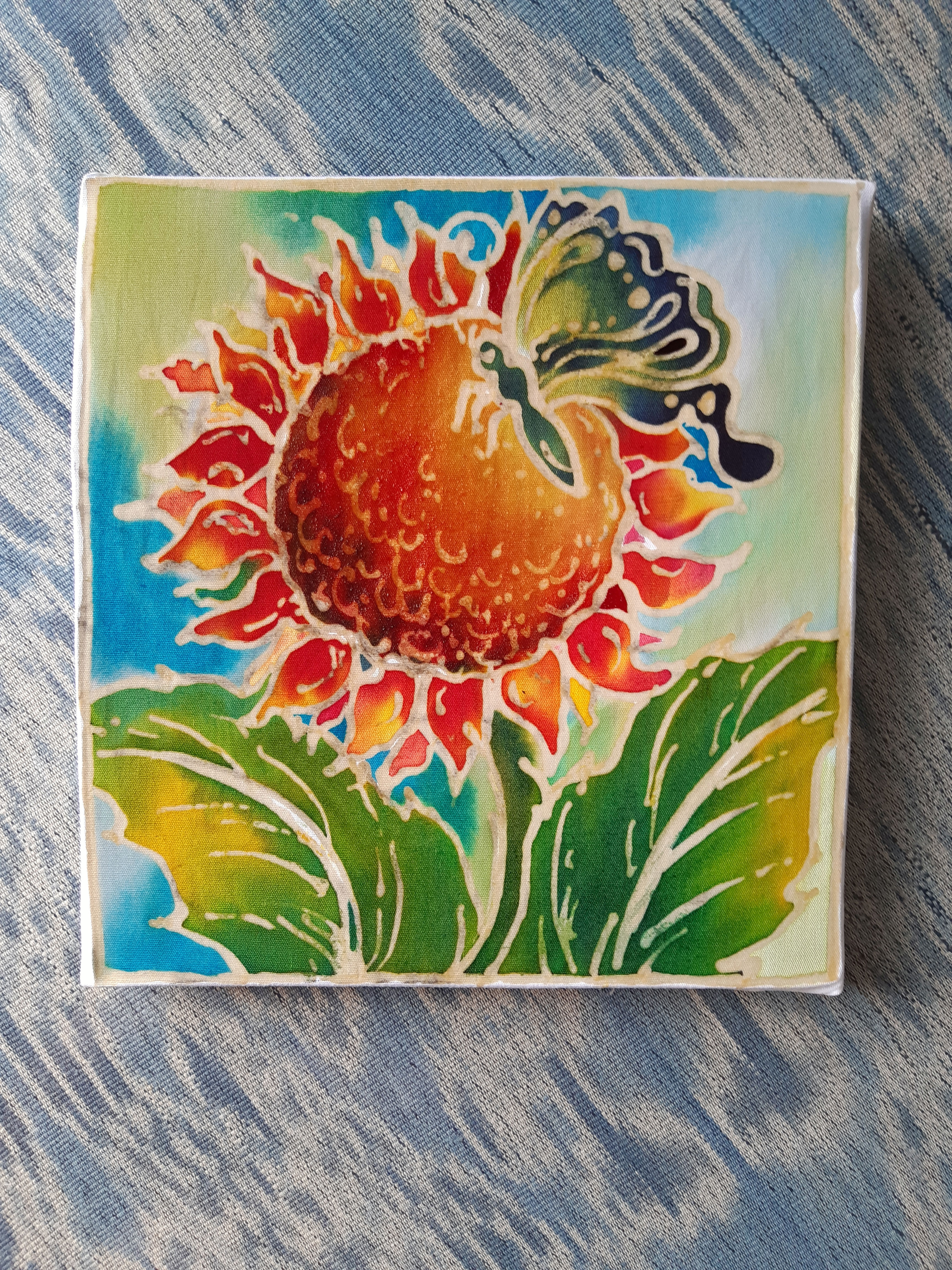
One reason people remember batik sessions is that the result does not disappear when the event ends. The finished artwork can go home, sit on a desk, or become part of a personal collection of handmade pieces. That gives the experience a longer life.
There is also pride in making something that looks thoughtfully crafted. With batik, even first-time participants can create work that feels special. The wax lines guide the design, while the painting choices still feel personal. That combination keeps the final result from looking generic.
For brands like Tumadi Batik, this is where convenience and heritage meet in a practical way. The traditional character of batik stays visible, but the experience becomes easier to bring into modern events, classrooms, parties, and beginner workshops.
A more thoughtful kind of team activity
Not every team needs louder games or more forced enthusiasm. Sometimes the best group experience is one that lets people settle in, make something beautiful, and talk without pressure. Batik offers that kind of space.
It is creative but accessible, structured but relaxed, and cultural without feeling distant or hard to approach. For organizers trying to choose an activity people will actually enjoy, that is a strong combination.
If you want your team to leave with more than a name tag and a snack, give them a project they can shape with their own hands. A quiet table full of color can do more for group connection than a very noisy agenda ever will.


Comments