

Screen Free Art Activity Ideas That Stick
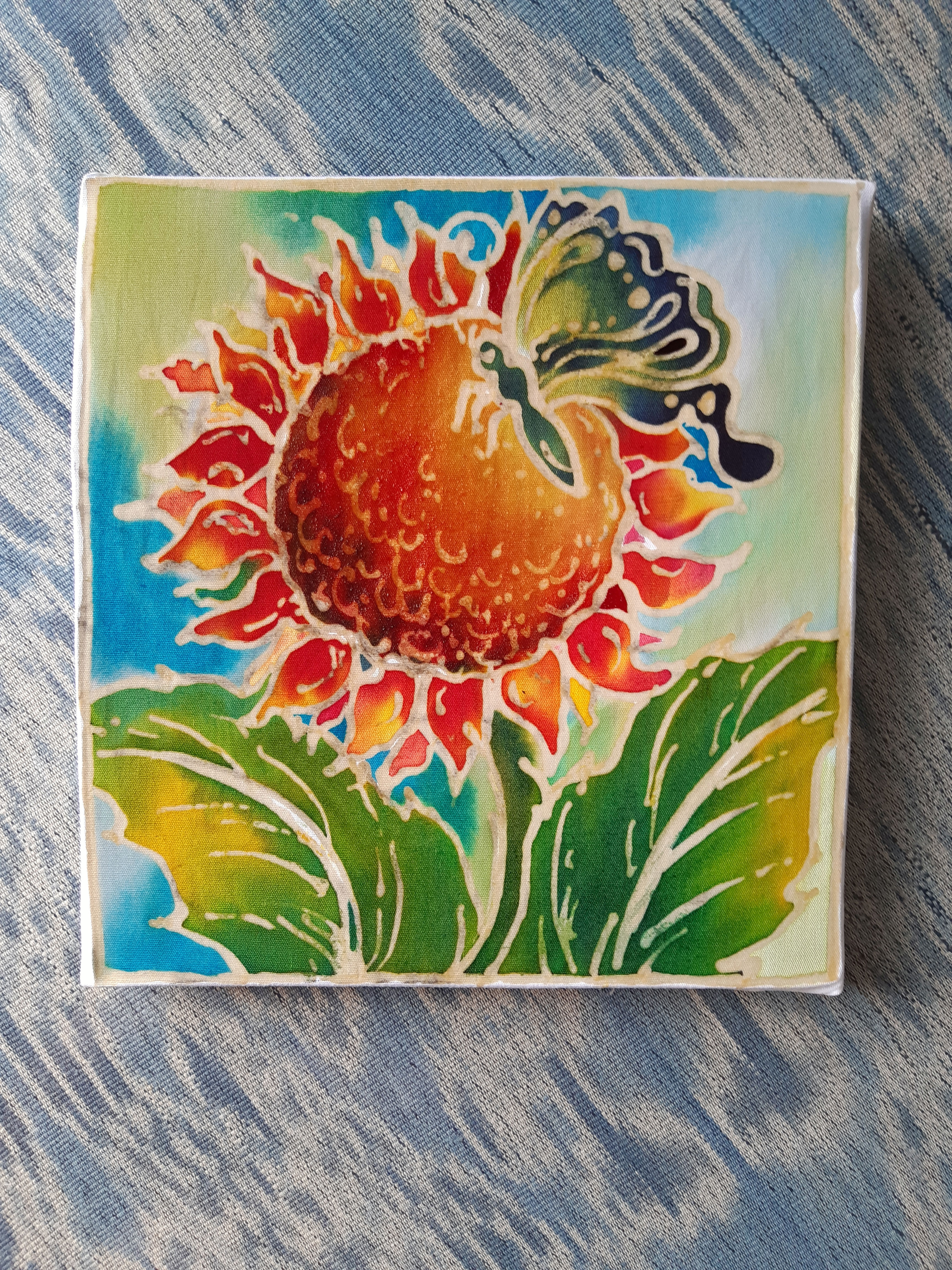
There is a big difference between keeping hands busy and keeping minds engaged. A good screen free art activity does both. It gives kids, families, teachers, and casual crafters something real to touch, mix, paint, and finish - not just something to swipe past. When the project is set up well, it can turn a slow afternoon, a classroom block, or a party table into time that feels calm, creative, and genuinely memorable.
For many people, the challenge is not wanting to make art. It is figuring out what kind of project is easy enough to start, structured enough to finish, and interesting enough to hold attention. That is where guided art activities stand out. You still get the joy of personal expression, but without the stress of staring at a blank page and wondering what to do next.
What makes a screen free art activity actually work?
The best art projects are not always the messiest or the most ambitious. They work because they meet people where they are. A parent may need something that is simple to set up after school. A teacher may need an activity that fits a class period and does not require complicated prep. A gift buyer may want a creative experience that feels thoughtful, not generic.
A strong screen free art activity usually has three qualities. It is hands-on, so participants are doing more than watching. It has a visible sense of progress, which helps people stay motivated. And it leaves room for individuality, even if everyone starts with the same base design.
That last part matters more than people think. Open-ended crafting can be wonderful, but it is not always the best fit for beginners or group settings. Too much freedom can feel intimidating. A pre-drawn or pre-waxed design gives people a starting point, while still letting them choose colors, patterns, and finishing touches.
Why batik works so well as a screen free art activity
Batik painting has a special advantage in this space. It feels artistic and meaningful, but it can also be surprisingly approachable when the setup is simplified. Traditional batik has deep heritage and beautiful technique behind it. At the same time, ready-to-paint batik projects make it much easier for beginners to enjoy the color and process without having to master wax application first.
That balance is what makes batik such a practical option for modern crafters. You get the visual beauty of line, pattern, and dye, but the first step is already prepared. Instead of spending your energy on technical setup, you can focus on painting, blending color, and seeing the design come alive.
For children, this creates a clear path into the activity. For adults, it removes the pressure of getting everything perfect. For mixed-age groups, it gives everyone enough structure to participate with confidence. A screen free art activity should not feel like a puzzle before the art even begins.
The appeal of guided creativity
One reason people return to projects like pre-waxed batik is that they offer a satisfying middle ground. They are not passive, and they are not overly complicated. That can be ideal for families who want a creative project without turning the kitchen table into a full production.
Guided creativity also tends to produce results people are proud to keep. That is an underrated part of craft design. If the final piece looks polished enough to display, hang, gift, or use, people are more likely to value the time they spent making it. A hand-painted batik panel, bookmark, or coaster has a finished quality that many quick crafts do not.
This matters in classrooms and events too. When participants leave with something beautiful, the activity feels complete. It does not come across as filler. It feels intentional.
A screen free art activity for different ages and settings
Not every project fits every moment, and that is worth saying honestly. Toddlers may do better with broader painting motions and shorter sessions. Older kids often enjoy more detailed designs and stronger color choices. Adults may want a project that looks refined enough for home decor or gifting.
That is why format matters. Small pieces like bookmarks and cards are great for shorter attention spans or quick workshop sessions. Larger fabric or framed designs suit participants who want more time with color layering and detail. Party groups often do well with compact projects that are easy to distribute and collect. A classroom may need something with minimal cleanup and predictable timing.
The right screen free art activity depends on the setting, but batik adapts well because the process stays familiar even when the product changes. Paint within the waxed lines, choose your color palette, let the design develop, and watch the contrast emerge. That repeatable structure is helpful when you are organizing for more than one person.
Why hands-on art feels different from digital entertainment
Screens are not the enemy. They are just very good at filling time quickly. Art fills time differently. It slows the pace enough for people to notice texture, color, and small decisions. It encourages focus without demanding perfection.
That tactile element is hard to replace. Mixing paint, rinsing a brush, choosing where to place a brighter shade - these are tiny actions, but they build attention in a grounded way. People often describe this kind of making as relaxing, and that is not just because it is quiet. It is because the project asks for gentle concentration instead of constant reaction.
For kids, that can mean practicing patience and decision-making without it feeling like work. For adults, it can be a reset after a day of notifications and fragmented attention. For families, it creates a shared activity where everyone is making something, not just watching something.
Choosing an art activity people will actually finish
Plenty of craft ideas sound fun at first and then fall apart in practice. The supplies are too scattered, the instructions are too vague, or the project takes longer than anyone expected. A good creative setup avoids that trap.
If you are choosing a project for home, school, or a group event, look for a few practical signs. The materials should be ready to use. The steps should be easy to explain. The design should give enough guidance to prevent frustration, while still allowing room for personal color choices. Cleanup should be manageable. And the finished piece should feel worth the effort.
This is where curated art kits can make a real difference. Instead of gathering separate tools and hoping they work well together, you start with a format designed for the activity itself. That is especially useful when you want the experience to feel smooth for beginners.
Tumadi Batik takes this approach by offering ready-to-paint batik sets with pre-waxed designs, dyes, palettes, and brushes, which makes the activity far easier to start while still keeping the traditional visual character of batik.
When simple is better than elaborate
There is a temptation to think a more complicated craft is automatically more meaningful. Usually, that is not true. The best projects are often the ones that remove friction. People are more creative when they are not overwhelmed.
A simple setup does not make the art less special. If anything, it gives the colors and the maker more room to shine. Batik is a great example of this. The waxed outlines create natural definition, so even first-time painters can achieve something striking. That built-in clarity helps the process feel rewarding from the beginning.
It also makes the activity more inclusive. Not everyone identifies as artistic. Some people need a little reassurance before they join in. A project with visible structure says, in effect, you can do this. That invitation matters.
Making screen free time feel appealing, not forced
People resist screen limits when the replacement feels dull. They are much more open when the alternative is genuinely enjoyable. That is why the most effective creative activities are not framed as rules or restrictions. They are framed as something worth doing on their own.
A colorful batik painting session feels different from simply being told to put a device away. It offers novelty, movement, choice, and a result you can hold onto. Whether it is part of a birthday table, an after-school routine, a classroom project, or a weekend family activity, it gives people a reason to stay present.
If you are looking for a screen free art activity that feels easy to begin and satisfying to finish, choose something with real materials, a clear structure, and enough beauty to make people want to keep going. When art is approachable, hands tend to reach for the brush on their own.
The nicest part is not just the finished piece on the table. It is the moment when someone who thought they were only passing time starts caring about the colors, the pattern, and the next brushstroke.


Comments