

Craft Activity for School Events That Works
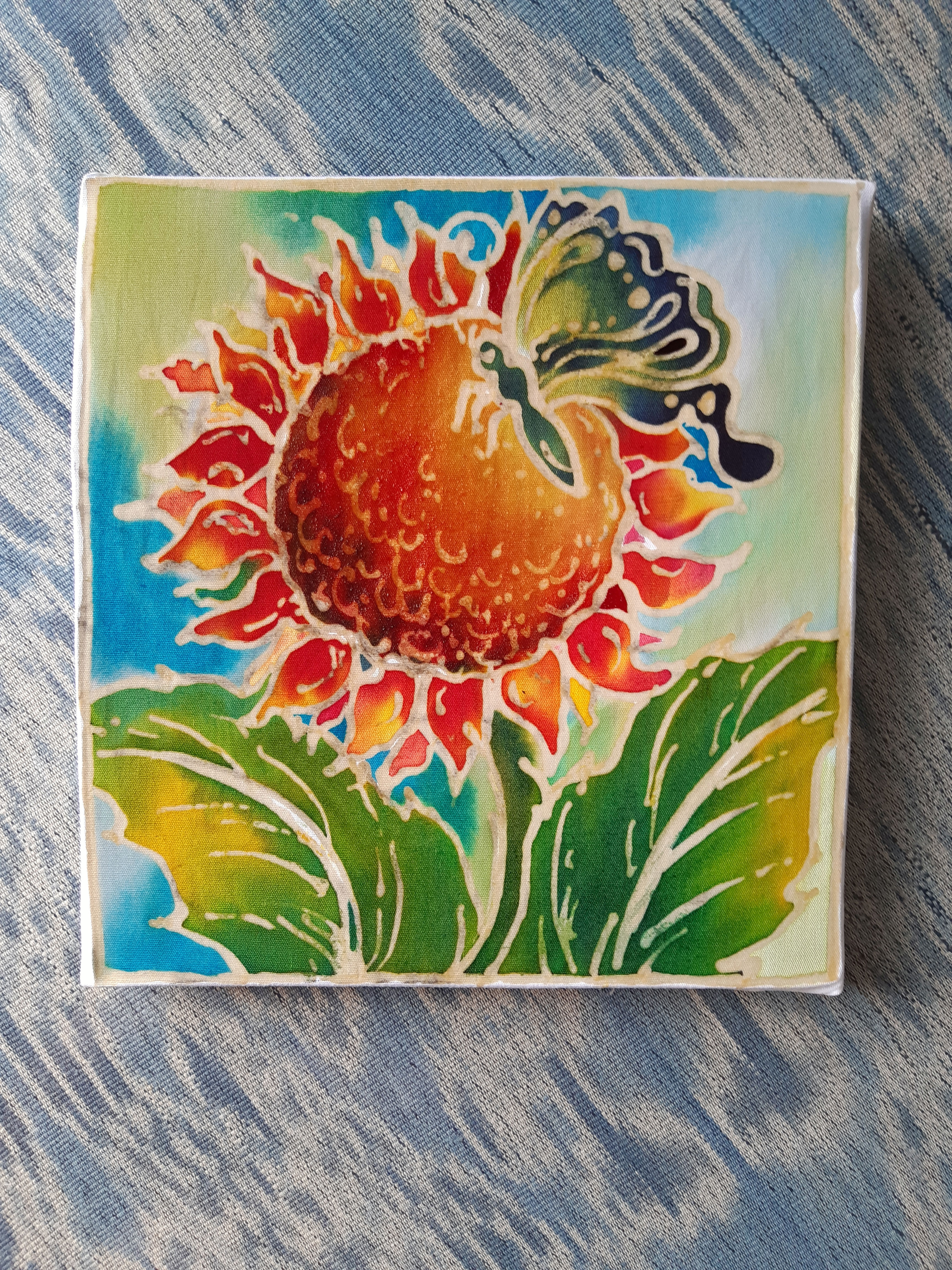
The fastest way to lose a room full of students at a school event is to choose a craft that looks fun on paper but turns into a waiting line, a mess, or a project nobody wants to take home. A good craft activity for school events needs to do more than fill time. It should be easy to start, simple to supervise, and satisfying enough that students feel proud of what they made.
That is why batik painting works so well in school settings. It gives students a real art experience, but without the hardest part of traditional batik. With pre-waxed designs, the creative part starts right away. Students can focus on choosing colors, painting patterns, and seeing their artwork come to life instead of struggling with setup or advanced tools.
Why a craft activity for school events needs structure
School events rarely happen under perfect conditions. You may be working in a cafeteria, a classroom, a gym, or an outdoor booth. Time is usually limited. Volunteers may not be art teachers. Students arrive in waves, and attention spans vary by age.
That is where many craft ideas fall apart. If a project needs long drying times, too many materials, or detailed one-on-one help, it creates stress for organizers and frustration for participants. The best school event crafts have a clear start, a visible result, and very little confusion in the middle.
Batik painting checks those boxes when the materials are prepared well. A pre-waxed piece already has the design outlined, which gives students a built-in guide. That makes the activity feel open-ended but not overwhelming. Beginners can succeed quickly, while more creative students still have room to experiment with color blending and pattern choices.
What makes batik a strong fit for school events
Some school crafts are disposable. They are entertaining for ten minutes, then forgotten in a backpack. Batik feels different because it produces something that looks artistic and finished. Even younger students tend to slow down and take the project seriously once the colors begin to spread inside the waxed sections.
There is also a cultural dimension that gives the activity more value. Batik is not just another paint project. It comes from a rich artistic tradition, and that gives teachers and event organizers a natural opening to talk about pattern, heritage, and handmade art. You do not need a full lesson plan for that to matter. Even a brief introduction can make the activity feel more meaningful.
At the same time, batik can stay approachable. That balance matters. Some culturally inspired art projects become too technical for a busy event. A ready-to-paint batik format keeps the experience beginner-friendly while still respecting the art form behind it.
Choosing the right batik setup for your event
Not every school event has the same goal, so the right setup depends on how the activity will be used. If you are planning a family fun night, you want a project that works across age groups and lets parents join in. If the event is during the school day, teachers may need a quieter, more structured format with predictable cleanup.
For short event windows, smaller batik pieces usually work best. Bookmarks, small art panels, and compact designs are easier to complete in one sitting. Students get a finished result without feeling rushed. Larger pieces can be beautiful, but they are better for workshops or longer art sessions where participants have time to explore color choices more fully.
The design matters too. Younger children often do better with bold shapes and larger sections to paint. Older students usually enjoy more detailed motifs because they can experiment with shading and contrast. A mixed set can work well at all-ages events, but only if the table team can guide students to the right difficulty level.
How to run a craft activity for school events without chaos
The easiest mistake is overcomplicating the table. When too many paint pots, brushes, and instruction sheets are spread out at once, students hesitate and volunteers spend the whole event repeating directions. A cleaner setup creates a better experience.
Start by arranging materials in the order students will use them. The batik piece should come first, followed by paints, palette, brush, and a simple visual example. Keep instructions short and spoken in plain language: choose colors, paint inside the waxed lines, leave space to dry. That is often enough.
It also helps to think about flow. If your event is large, avoid a single crowded station where everyone waits for supplies. Multiple smaller tables often run better than one long one. A batik activity is most enjoyable when students can sit down, settle in, and paint at their own pace instead of being rushed through the process.
Cleanup is another reason organizers like pre-packed craft formats. When the pieces, palettes, and colors are already grouped, it is easier to distribute materials and collect leftovers. That convenience matters more than people expect, especially when an event has several other moving parts.
Age groups, timing, and realistic expectations
A school event craft does not need to please every student in exactly the same way. Kindergarteners, middle schoolers, and parent volunteers will all approach the table differently. The goal is not identical results. The goal is an activity that makes participation easy and success likely.
For younger children, keep the message simple and focus on color play. They are often happiest when they can pick bright shades and watch the design appear section by section. For older students, the appeal is often more personal. They enjoy making something that looks polished enough to keep, display, or give away.
Timing matters just as much as age. If students only have 15 to 20 minutes, choose pieces with a smaller painting area and fewer color decisions. If they have 30 minutes or more, they can handle more detailed designs. The trade-off is straightforward: the more artistic freedom you offer, the more time and supervision the activity may need.
That does not mean complex is better. In school events, finished and enjoyable usually beats ambitious and half-done.
Why ready-to-paint kits make life easier
Teachers and organizers often want creative activities, but they do not always have the time to build them from scratch. That is where ready-to-paint batik kits make practical sense. They remove the most technical part of the process while keeping the hands-on part that students actually enjoy.
A well-prepared kit usually includes the pre-waxed design, dyes or paints, a palette, and brushes. That sounds simple, but simplicity is exactly the point. Instead of sourcing supplies from different places and hoping they work together, organizers can focus on the event itself.
This is especially helpful for schools that want something more distinctive than generic foam crafts or paper coloring sheets. Batik feels artisanal and colorful, yet it is still accessible for first-time participants. For many organizers, that combination is hard to find.
Tumadi Batik is built around that kind of experience - making traditional batik easier to enjoy through pre-waxed, ready-to-paint sets that work well for beginners, classrooms, and group activities.
When batik is the better choice than other school crafts
There are plenty of good school craft ideas, so batik is not the answer for every event. If you need a zero-mess hallway activity, a sticker-based project may be more practical. If the event is for very young children with only a few minutes at each station, ultra-fast crafts might be easier.
But if you want a project that feels creative, looks impressive, and gives students a real sense of ownership, batik has a strong edge. It is especially useful when the event calls for something memorable rather than disposable. Students are not just assembling parts. They are making color choices and creating an artwork that feels personal.
That difference shows up in how people respond to the finished piece. Parents notice it. Teachers notice it. Students notice it too.
Making the event feel special, not just busy
The best school event crafts do not just keep hands occupied. They create a small moment of focus and pride inside a busy day. Batik painting does that well because it slows students down in a good way. They see the design, choose their colors, and watch the artwork develop with each brushstroke.
That is what makes it more than a table activity. It becomes part of the event memory. Whether the goal is a cultural celebration, an art fair, a fundraiser, or a family craft night, a batik project can bring color, meaning, and ease to the room without asking too much from organizers.
If you are planning your next school event, choose a craft that gives students something worth carrying home.


Comments