

9 Best Classroom Art Kits for Easy Projects
A class set can look great on paper and still fall apart once 24 students open it at once. The best classroom art kits are the ones that respect real classroom conditions - limited time, mixed skill levels, tight cleanup windows, and the need for projects kids are actually proud to bring home.
That matters even more in elementary and middle school settings, where attention spans are short and prep time is shorter. A good kit should feel inviting right away, give students a clear path to success, and still leave room for personal expression. If every finished piece looks identical, the activity may be organized, but it is not doing much for creativity.
What makes the best classroom art kits?
The answer is not just price. Cost matters, of course, especially when you are buying for a full class or planning multiple sessions. But value comes from how well a kit works in practice.
The best kits usually have a few things in common. They come with enough material for the advertised group size, the instructions are easy to follow without a long demonstration, and the project has a visible payoff. Students should be able to see progress quickly. That early win keeps the room calmer and helps reluctant artists stay engaged.
It also helps when the project can stretch across ability levels. In most classrooms, some students want careful detail while others want fast color and movement. A strong art kit can support both without making one group feel bored and the other feel lost.
Cultural value can be another differentiator. Many mass-market kits focus only on the final craft object. That can still be fun, but projects connected to real art traditions often create better discussions and more meaningful work. Batik kits are a good example of this because they introduce pattern, dye, line, and heritage in a format students can actually manage.
9 best classroom art kits worth considering
1. Pre-waxed batik painting kits
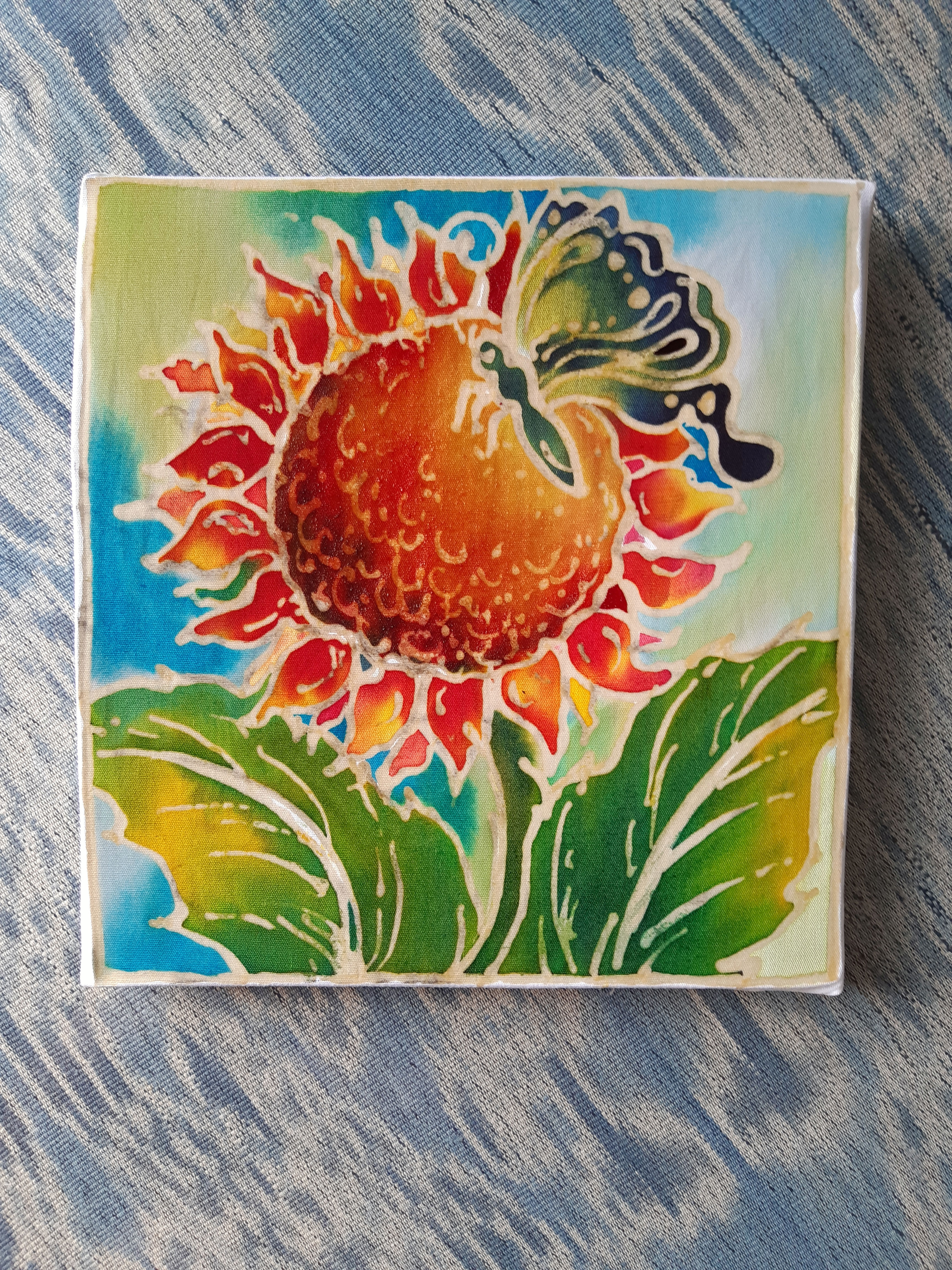
For teachers who want something distinctive but still manageable, pre-waxed batik kits are one of the best classroom art kits available. Students paint within wax-resist outlines, which gives them structure without removing creativity. The results are colorful, polished, and visibly different from standard paper crafts.
What makes this format especially classroom-friendly is the reduced barrier to entry. Traditional batik can be technically demanding because wax application takes practice. A pre-waxed version keeps the heart of the art form while making it accessible to beginners, younger students, and short class periods. It works well for cultural art units, quiet independent work, or event-based group activities.
2. Watercolor resist kits
These kits are popular for a reason. Students get the satisfaction of watching color spread while hidden or outlined designs remain visible. They are usually less expensive than specialty kits and can fit a broad age range.
The trade-off is that some watercolor resist kits feel generic. If the designs are too simple or the paper quality is weak, the final work can look more like a worksheet than art. They are best when you need a low-mess introduction to color blending and pattern rather than a memorable keepsake project.
3. Mosaic art kits
Mosaic kits are useful when you want strong visual impact and fine motor practice in the same lesson. Students place foam, paper, or tile-like pieces onto a template, building images through shape and color.
These are often good for structured classrooms because the process is easy to monitor. On the other hand, they can become repetitive if every student is filling in the same design with the same color map. If you choose mosaic kits, look for options that allow free color choices or original pattern planning.
4. Printmaking kits
Simple printmaking sets can be excellent for classrooms because they introduce repetition, design thinking, and process. Students create one image, then see how it changes through multiple prints.
The best versions keep tools safe and age-appropriate. Foam printing is easier for younger students, while older grades may enjoy block-style materials. Cleanup can be heavier here, so this choice depends on whether you have sink access and enough drying space.
5. Weaving kits
Weaving projects bring texture into the art room and help students slow down. They are especially useful for cross-curricular lessons on patterns, textiles, and global craft traditions.
The limitation is pace. Weaving can be calming, but it is rarely fast. If your class periods are short, students may need more than one session to finish. That is not a problem if you want a longer project, but it is less ideal for one-day enrichment activities.
6. Scratch art kits
Scratch art kits have strong instant appeal. Students reveal bright color under a dark surface, and even simple marks look dramatic. For classrooms that need a low-prep, high-engagement option, this category earns its place.
Still, there is a ceiling to the learning value if the project never moves beyond surface decoration. These kits work best as part of a broader lesson on line, contrast, or symbolic imagery, not just as filler for a rainy afternoon.
7. Air-dry clay kits
Clay kits give students a different physical experience from painting or drawing. They can build form, press texture, and create objects with real presence. That tactile element is valuable, especially for students who do not connect as easily with flat media.
But classroom logistics matter. Clay takes space, drying time, and patient handling. If your room is already crowded or you need projects sent home quickly, clay may feel heavier than it first appears.
8. Tie-dye and fabric color kits
Fabric-based kits create excitement because students are making something usable, not just decorative. Bags, small flags, or fabric panels can be very satisfying end products.
The issue is mess control. Dye projects can be fantastic for special events, summer programs, or outdoor sessions, but not every school setup can support them comfortably. If you want the appeal of textile art with more structure, batik painting kits often make more sense for classrooms.
9. Mixed-media collage kits
Collage kits are flexible, forgiving, and easy to adapt for different age groups. They let students combine paper, texture, pattern, and found-style elements into one composition. Teachers can also tie them to storytelling, identity, or seasonal themes.
Because collage is so open-ended, success depends on how the kit is curated. Too many random materials can create chaos instead of creativity. The best kits provide enough variety to inspire choices without overwhelming the class.
How to choose the best classroom art kits for your students
Start with time. A beautiful project that needs three long sessions is not the best fit for a 40-minute enrichment block. If you only have one class period, choose kits with quick setup and visible progress in the first 10 minutes.
Then think about supervision. Some kits need frequent teacher intervention, while others let students work more independently. Pre-waxed batik kits, watercolor resist sets, and scratch art are generally easier to manage than clay or open dye projects.
Age range matters too, but not always in the obvious way. Younger students do not automatically need the simplest-looking project. They need projects with clear boundaries and satisfying results. Older students often want more ownership, so kits that allow design choices, color decisions, or pattern interpretation tend to perform better.
Storage and cleanup deserve real attention. A classroom art kit is only as good as its end-of-class routine. If materials dry out quickly, stain tables, or require a lot of sorting, you may use it once and avoid it after that.
Why batik stands out in a classroom setting
Among the best classroom art kits, batik has a special advantage: it feels both artistic and meaningful. Students are not just filling space with color. They are working with a wax-resist tradition that has history, structure, and a strong visual identity.
That does not mean every classroom needs a full traditional batik process. In fact, most do better with a simplified format. A ready-to-paint, pre-waxed kit gives students the look and logic of batik without the difficult wax step. That makes the project more realistic for teachers and more rewarding for beginners.
This is also where a brand like Tumadi Batik fits naturally. The pre-waxed approach keeps the activity approachable while preserving the character that makes batik special in the first place. For teachers, that means less setup friction. For students, it means a project that feels different from the usual craft table routine.
A final way to judge a kit before you buy
Picture the last five minutes of class. Are students still engaged? Can the work be packed safely? Will the finished pieces look personal enough that students want to show them off? Those questions usually tell you more than the product box ever will.
The best classroom art kits do more than occupy time. They help students make something vivid, individual, and worth remembering - and that is the kind of art project that keeps a classroom creative long after cleanup ends.


Comments