

How to Use Batik Dye Palettes Well
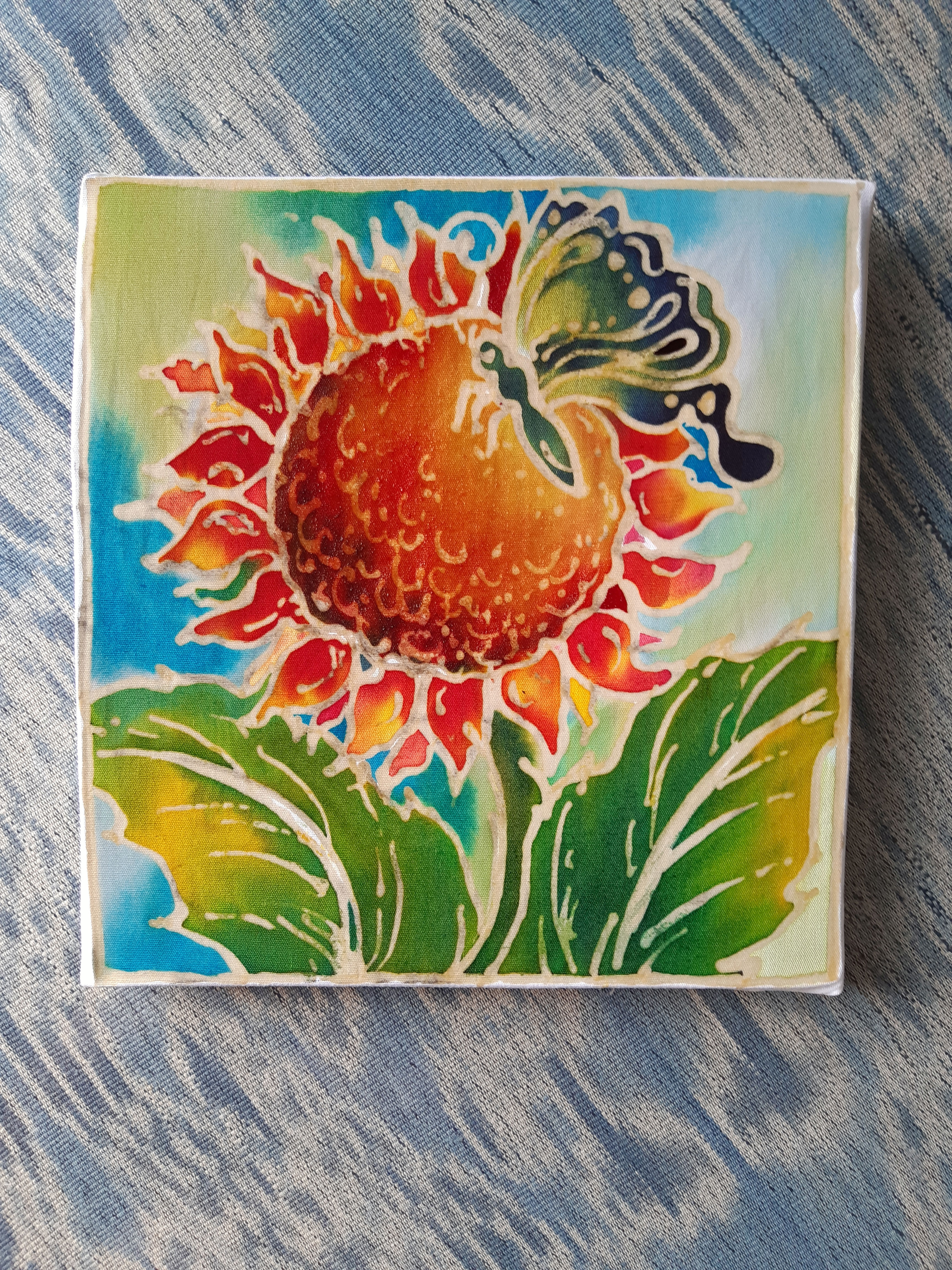
The moment you open a batik kit, the palette can feel deceptively simple. It is just a tray with spaces for color - until you realize that the way you use it changes everything from how clean your blues stay to whether your finished piece looks bright, muddy, soft, or bold. If you are learning how to use batik dye palettes, a few smart habits will help you get better results fast without making the process feel technical.
Batik painting is especially rewarding because the wax lines guide your design and give you built-in structure. That makes it approachable for beginners, kids, classrooms, and anyone who wants a creative project that feels artistic without being stressful. The palette is where your color choices take shape, so it helps to treat it as part mixing station, part planning tool.
How to use batik dye palettes for cleaner color
A good batik palette is not only for holding dye. It helps you control intensity, keep colors separate, and mix shades with more confidence. In pre-waxed batik projects, that matters because the outlined sections are often small, and even a little accidental mixing can shift the whole mood of the piece.
Start by pouring only a small amount of each dye into the wells. New painters often fill every section too much at the start, then end up with spilled color, wasted dye, or accidental blending. A little goes a long way, especially on smaller batik pieces like bookmarks, coasters, or compact framed art.
Leave at least one well open if your palette allows it. That empty space becomes your mixing area. It is much easier to build a custom green, soften a red, or test a lighter wash when you are not trying to do it inside the original dye well. Keeping source colors separate also means you can return to them later without guessing what changed.
Brush care is part of palette care too. If you move straight from dark blue into yellow without rinsing well, your palette stops being a place of control and becomes a place of surprise. Sometimes surprise is fun. Sometimes it turns your sunny section olive before you even notice. Rinse, blot, then reload.
Think in color families before you paint
One of the easiest ways to improve your batik results is to choose a general color direction before your brush touches the fabric. You do not need a complicated theory lesson. You only need a plan.
If you want a calm, harmonious piece, stay close to one family - blues with blue-green and violet, or warm tones like coral, orange, and golden yellow. If you want the design to feel lively and playful, choose contrast on purpose, such as turquoise with orange or pink with leaf green. Both approaches work. The difference is that one feels blended and soothing, while the other feels energetic.
This is especially helpful for beginners using pre-waxed designs. The wax outlines already create strong visual structure, so your colors do not have to do all the work. In fact, trying to use every available shade in one project can make the design look busy. A smaller palette often looks more polished.
When painting with children or in a group setting, limiting the palette can also make the activity easier to manage. Three to five colors usually gives plenty of variety while keeping the final result cohesive.
How to build light and dark with batik dye palettes
Many people assume batik painting is mostly about filling sections with bright color. That can be beautiful, but the palette also gives you a way to add softness, depth, and variation.
To create lighter effects, use a more diluted version of the dye if your kit or process allows it, or apply less dye to the brush and spread it gently within the section. Some painters like a more transparent look where the fabric texture still shows through. Others prefer rich saturation. Neither is more correct. It depends on the design and the finish you want.
For darker areas, layer thoughtfully rather than flooding the fabric all at once. A heavy application can pool near the wax lines and create uneven patches. That is not always a problem - handmade work has natural variation - but if you want more control, build color gradually.
This is where the palette earns its place. It lets you compare tones before they hit the fabric. Mix a deeper version in one well, keep a softer version in another, and paint neighboring sections with intention. Even a simple flower or geometric motif can look more dimensional when one petal is lighter and the next is more saturated.
Use the palette as a testing space
One of the best answers to how to use batik dye palettes is this: test first, paint second. Even if you are eager to begin, a quick test saves frustration.
Colors in the well may look stronger or darker than they appear on fabric. Some combinations also shift when they spread into the material. Before filling a prominent section, try a tiny amount on a less noticeable edge or spare practice surface if you have one. This helps you judge whether a color is too bold, too pale, or likely to compete with the shades around it.
Testing is especially useful when mixing custom tones. A purple made from pink and blue can lean floral, dramatic, or slightly gray depending on the balance. The palette lets you adjust before committing.
For workshops, parties, and family crafting, this habit makes the whole experience smoother. People feel more relaxed when they know they can try a color rather than guess.
Avoid muddy mixes and overworked sections
Most muddy color problems begin in the palette, not on the fabric. The usual cause is mixing too many unrelated shades together or using a brush that was not rinsed well enough between colors.
If you want vibrant results, mix with restraint. Two colors are often enough. Three can work, but it gets trickier. Once several dyes start combining in one well, the result usually loses clarity. Batik designs often shine when the color areas stay distinct, especially because the wax resist already gives such beautiful separation.
Overworking the same section can also dull the finish. If you keep brushing back and forth after the dye has started settling into the fabric, you may create streaks or drag color where you do not want it. Apply, guide gently, then let it rest.
This is one of those places where less is more. Batik has its own rhythm. The palette helps you prepare, but once the color is on the piece, patience matters just as much.
How to use batik dye palettes in group projects
Batik kits are a natural fit for classrooms, birthday activities, community events, and quiet family afternoons. In group settings, the palette becomes part of the workflow, not just a personal tool.
Shared colors work best when each person has a clear area for mixing and a cup of rinse water nearby. If everyone dips into the same wells with poorly rinsed brushes, the original colors change quickly. That can be frustrating for beginners who expect a bright yellow and find mustard instead.
For smoother group painting, encourage painters to choose their main colors first, pour small amounts, and refill only as needed. This cuts waste and keeps the palette cleaner longer. It also helps each participant feel more ownership over their design choices.
Pre-waxed batik sets are especially useful here because they remove the hardest setup step and let people focus on color play. That is a big reason approachable kits work so well for first-timers - the palette becomes a creative invitation instead of a technical barrier.
A simple approach that still looks artful
If you are unsure where to begin, try this method. Pick one main color, one supporting color, and one accent. Use the main color for the largest sections, the supporting color for neighboring shapes, and the accent sparingly where you want the eye to land. It is simple, beginner-friendly, and usually gives a balanced result.
You can also repeat the same color in different strengths across the piece. A soft blue next to a stronger blue looks intentional and elegant, even on a very easy design. This works beautifully on pre-waxed batik because the wax lines keep everything neat while still letting your hand-painted choices show.
At Tumadi Batik, that balance between tradition and ease is what makes the experience so enjoyable for modern crafters. You still get the charm of batik painting, but with a setup that welcomes beginners, families, and anyone who wants to make something meaningful without feeling overwhelmed.
The palette does not need to be complicated to be powerful. Use it to separate, test, mix, and slow down just enough to choose your colors on purpose. When you do, even a simple batik piece starts to feel personal - and that is usually what makes it worth displaying, gifting, or painting again next weekend.


Comments