

How to Run Batik Workshop Singapore Right
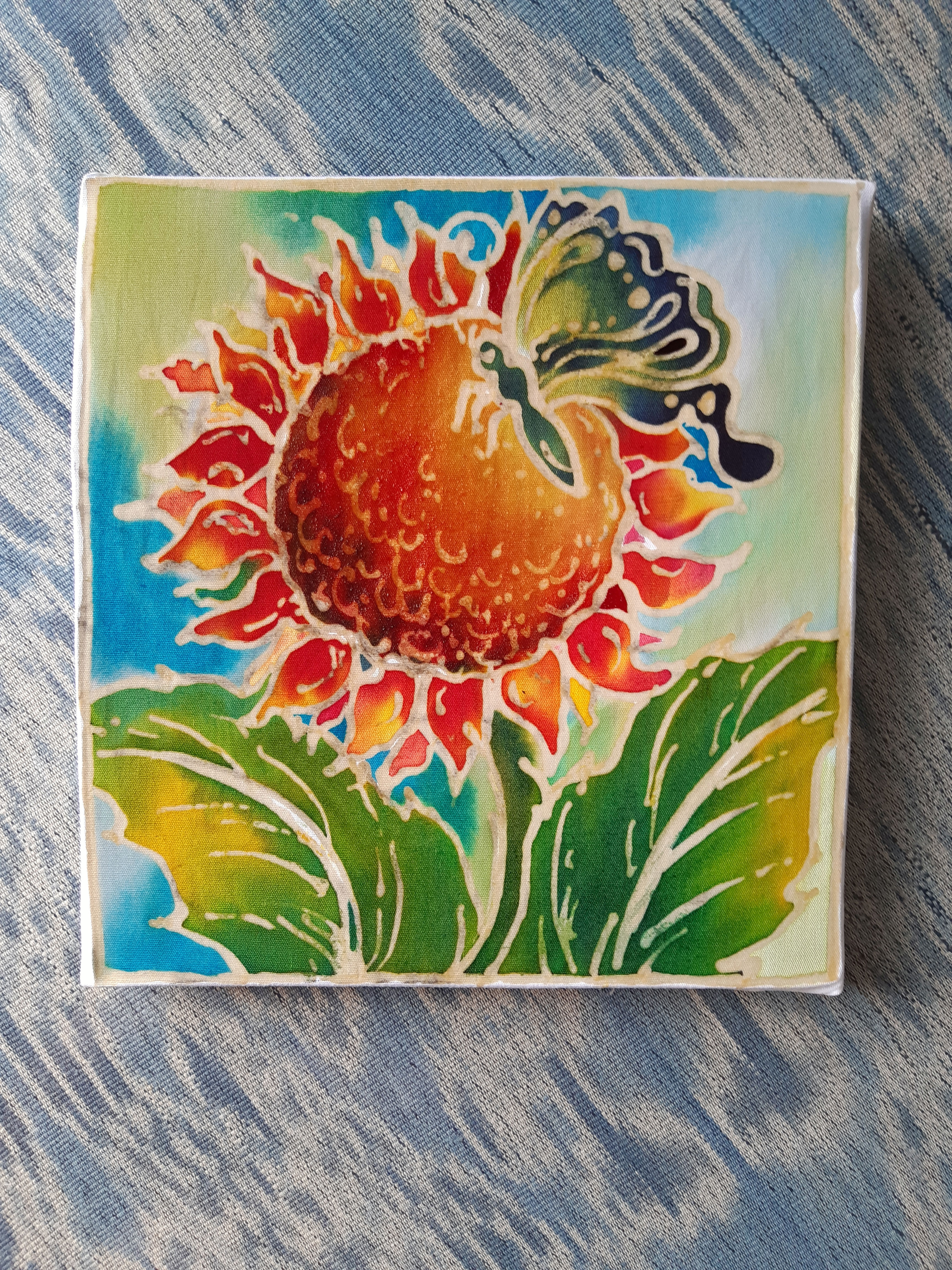
A batik workshop can feel magical or messy fast, and the difference usually comes down to planning. If you're figuring out how to run batik workshop Singapore sessions for kids, families, schools, or private groups, the smartest approach is to keep the art authentic while making the experience easy enough for beginners to enjoy from the first brushstroke.
That matters because most people are not showing up to master wax application or textile chemistry. They want a creative session that feels special, teaches something meaningful, and sends them home with artwork they are proud to hold up. When you design the workshop around that reality, batik becomes less intimidating and far more memorable.
What makes a batik workshop work
A good batik workshop is not just about the finished piece. It is about pacing, confidence, and giving participants a clear path from blank fabric to visible color. Batik has heritage behind it, and that should come through in the way you introduce the craft, but your session still needs to feel approachable.
For most beginner groups, the biggest friction point is the wax stage. Traditional batik uses wax resist techniques, often applied with a tjanting tool, and that process is beautiful but not always practical for a short event or mixed-age group. If your audience includes first-timers, younger children, or event guests who want a guided activity rather than a technical class, pre-waxed pieces make the workshop much easier to run.
That trade-off is worth acknowledging. A full traditional process offers deeper technical learning, but it also demands more time, more supervision, and more tolerance for mistakes. A pre-waxed format keeps the spirit of batik alive while removing the hardest barrier for beginners.
How to run batik workshop Singapore groups will actually enjoy
The best workshops start with the audience, not the supplies. A classroom group needs structure. A birthday or community event needs flow and flexibility. A corporate or tourist group usually wants a short cultural introduction followed by plenty of hands-on time.
Before you set a date or count seats, decide what kind of experience you are offering. Are participants painting a simple batik panel, a bookmark, a pouch, or a small wall piece? Will everyone complete one item, or will faster participants have time for extras? The answers shape everything from your timing to your table layout.
In Singapore, where workshops often need to fit neatly into school timetables, family outings, and event schedules, shorter formats tend to perform better. A 60 to 90 minute basic batik session is often enough for beginners. It keeps attention high and reduces the risk of fatigue, especially with children.
If you stretch beyond that, make sure there is a clear reason. Older students or adults may enjoy more context about batik heritage, color choices, and technique, but they still benefit from a session that moves steadily.
Choose the right batik format for beginners
If your goal is accessibility, use ready-to-paint batik materials with pre-waxed designs. This lets participants focus on color placement, blending, and creative choices instead of worrying about wax lines breaking or hot tools creating safety issues.
This is especially helpful when your group includes mixed skill levels. A parent and child, for example, can work side by side and both get satisfying results. Teachers and event organizers also appreciate projects that are structured enough to manage but open enough to feel creative.
For more advanced groups, you can add a short demonstration of how wax resist works in traditional batik. That gives cultural context without forcing every participant through a more technical process.
Keep the supply list simple
Overloading the table is a common mistake. People do better when the materials are clear and limited to what they actually need. For a basic session, that usually means a pre-waxed fabric or card surface, batik dyes or fabric paints, brushes, a palette, water containers, protective table covering, and drying space.
Aprons are useful if your group is casual or family-based. If you are working with children, have extra paper towels and wipes within reach. If you are running the session in a borrowed venue, think about cleanup before the first participant arrives, not after.
A workshop feels more polished when each seat is ready before guests sit down. People settle faster, ask fewer logistical questions, and spend more time making art.
Setting up the room without chaos
The room setup affects energy more than most organizers expect. Batik painting works best when participants can see a sample, hear instructions clearly, and reach shared supplies without crowding.
Try to avoid one long crowded supply station if you can. Smaller grouped tables with shared palettes and water cups reduce bottlenecks. If you have a large group, keep a separate instructor table at the front for the welcome, quick demo, and finished examples.
Drying space matters too. Batik pieces should have a place to rest safely while colors settle. If tables are small, prepare a side surface or rack in advance. This tiny detail prevents a lot of accidental smudging.
Lighting is another factor people forget. Batik designs rely on visible wax outlines and color contrast, so dim spaces make the activity harder than it needs to be.
Teach just enough history and technique
If you are wondering how to run batik workshop Singapore sessions in a way that feels meaningful, this is where many workshops either shine or lose the room. Participants want context, but they do not want a lecture that eats half the session.
A short introduction works best. Explain that batik is a resist-dye art form with deep cultural roots, and point out how wax lines create the boundaries that hold and shape color. If relevant, mention the tjanting tool and how traditional artisans use it to apply wax by hand.
Then move quickly into the activity. People understand batik more deeply once they start painting inside the waxed patterns themselves. In other words, let the making do part of the teaching.
Guide the creative process without taking over
Beginners often ask the same question in different forms: What if I mess it up? Your job is to lower that fear early.
Show a few sample approaches instead of one perfect finished example. One can use bright contrast, another soft blended tones, and another more detailed shading. This signals that there is more than one good result.
During the workshop, circulate and give light guidance. Suggest color combinations, remind participants to test darker shades carefully, and encourage them to leave small areas to dry before layering. Try not to paint for them or correct every choice. Batik workshops are more enjoyable when people feel ownership over the piece.
This is also why project selection matters. If the design is too detailed for the age group or time frame, participants feel rushed. If it is too simple, the session can feel flat. The sweet spot is a design that looks impressive once colored but does not demand advanced brush control.
Timing the session well
Most basic batik workshops follow a natural rhythm. Start with a short welcome and cultural introduction, then a brief demo, then the main painting time, and finish with sharing, photos, and drying instructions.
That last part should not be an afterthought. Participants want to know when they can handle the piece, how to transport it, and whether colors will continue to develop as it dries. Clear closing instructions make the workshop feel complete.
If your group is large, build in a little buffer. Someone will need extra help. A few people will finish early. A few will want more time for detail work. Good workshop timing leaves room for those differences without making the group feel dragged along.
Common mistakes to avoid
The most common mistake is trying to do too much in one session. Too much history, too many techniques, too many materials, or too large a project can all make batik feel harder than it is.
Another issue is choosing materials that are not beginner-friendly. If participants spend most of the session struggling with setup or waiting for tools, the creative energy drops. This is why simplified, pre-waxed batik sets are often the strongest choice for schools, private events, and family workshops.
It also helps to resist the urge to make every piece look the same. Batik is rooted in craft, but it is also expressive. A workshop should leave room for personality.
The easiest way to make batik accessible
If your goal is to offer a smooth, beginner-friendly art session, start with batik pieces that are already waxed and ready to paint. That one decision removes the hardest technical barrier while preserving the visual character that makes batik so distinct.
For organizers, it means less prep complexity and easier instruction. For participants, it means faster creative momentum and a finished piece that still feels handmade. That is a strong fit for children, classrooms, casual hobby groups, and event-based workshops.
Tumadi Batik follows this practical approach by offering ready-to-paint batik sets designed to make the craft approachable without stripping away its traditional charm.
Run your workshop so people leave thinking, I made that, and I want to do it again. That is usually the moment batik stops being just an activity and starts becoming a lasting creative memory.


Comments