

Choosing a Batik Workshop Supplies Kit
- Anise Ahmad
- Apr 19
- 5 min read
A great batik workshop can fall apart fast if the table looks ready but the supplies are not. You do not need a complicated setup, but you do need the right batik workshop supplies kit for your group, your time frame, and the kind of finished piece you want people to take home.
For beginners, families, and classroom organizers, the best kit is usually not the one with the most pieces. It is the one that removes friction. That means pre-waxed designs, easy-to-use dyes, a sensible brush and palette setup, and surfaces that are ready to paint right away. Batik is a heritage art form with real depth, but a workshop should still feel welcoming from the first brushstroke.
What a batik workshop supplies kit should include
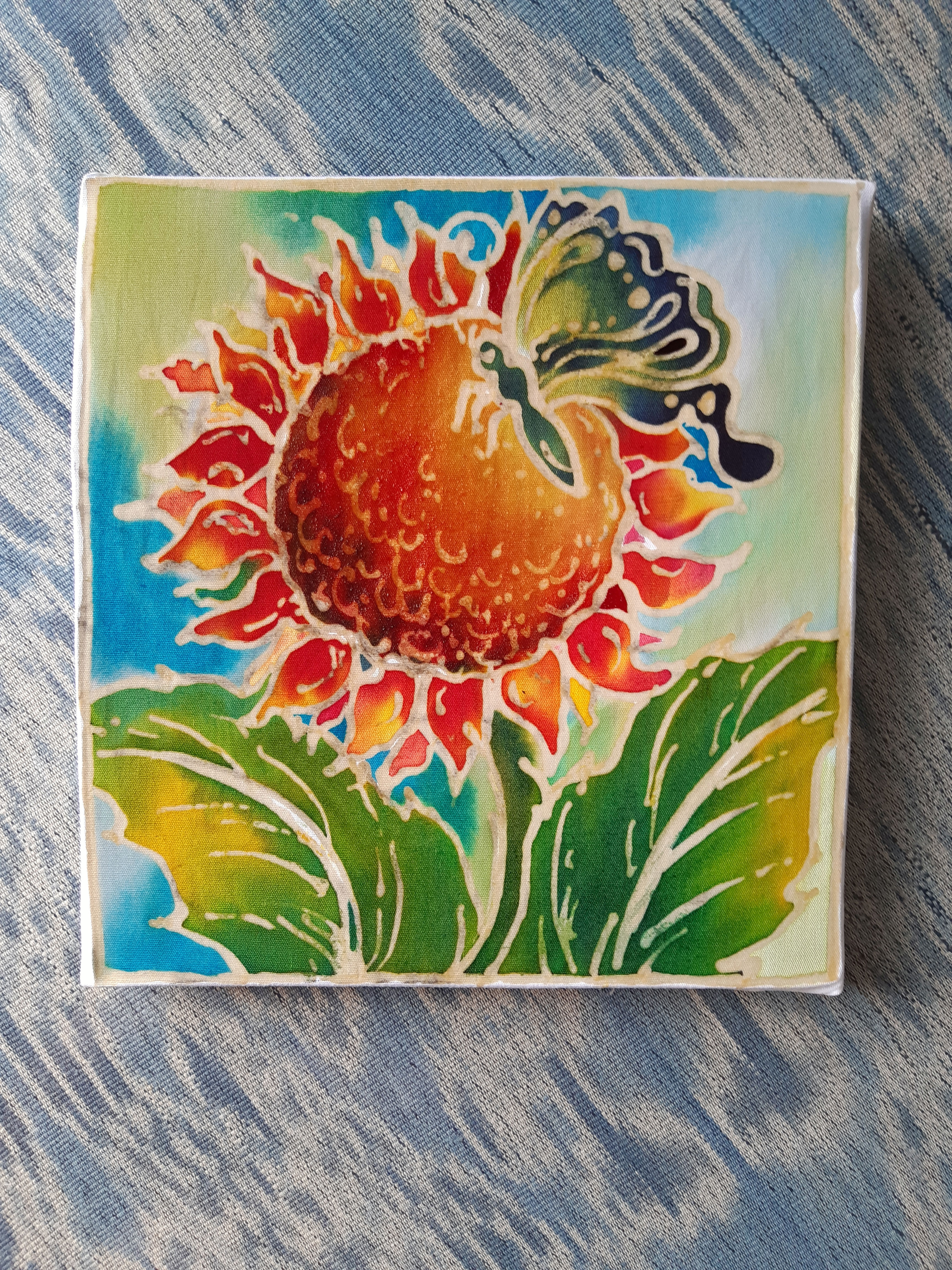
At the center of any good workshop is a project people can start without hesitation. In a traditional batik process, wax is applied by hand to create the resist pattern before color is added. That step is beautiful, skilled, and time-intensive. For many workshops, especially beginner sessions, pre-waxed fabric or paper makes more sense because it keeps the spirit of batik while making the activity manageable.
A practical batik workshop supplies kit often includes pre-waxed pieces, batik dyes or fabric colors, paint palettes, brushes, and simple instructions. Some setups may also include sample references or packaging for take-home use. If the workshop is for kids, cleanup matters just as much as color variety. If it is for adults or mixed ages, design detail and finished presentation may matter more.
The key is balance. Too few materials and guests feel limited. Too many and the table starts to feel crowded and confusing. A well-built kit gives enough freedom to be creative without turning the session into a supply hunt.
Why pre-waxed projects work so well in workshops
The biggest challenge in batik is not painting the color. It is preparing the resist pattern correctly. That is why pre-waxed designs are such a strong fit for events, classrooms, and casual creative sessions. People can focus on color choices, blending, and the satisfaction of seeing the wax lines guide the final artwork.
This approach is especially useful when the group includes first-timers. A parent planning a weekend activity, a teacher running an art period, or an event host organizing a craft table usually wants a project that feels special without needing long technical instruction. Pre-waxed batik delivers that middle ground. It still looks handcrafted and rooted in tradition, but it is much more approachable.
There is also a practical timing advantage. A workshop with pre-waxed pieces can start quickly and stay on schedule. That matters for birthday parties, school enrichment sessions, community events, and drop-in craft stations where attention spans and time windows are real constraints.
Matching the kit to your audience
Not every batik workshop supplies kit should be built the same way. A classroom group of second graders needs a different setup than a small adult art night. The project surface, dye quantity, brush size, and design complexity all affect how smoothly the session runs.
For younger kids, simpler outlines and fewer color choices usually work better. They can still create vivid, expressive pieces, but they are less likely to feel overwhelmed. For tweens, teens, and adults, more detailed motifs can be rewarding because the wax lines create stronger contrast and a more polished finish.
Group size matters too. A family craft table can share palettes and extra brushes without much trouble. A workshop with twenty participants needs more structure. Individual kits reduce passing, mixing, and accidental shortages. Shared materials can save cost, but they also require more supervision and a clearer setup.
If the workshop is part of a party or event, portability becomes a deciding factor. Lightweight, ready-packed kits are easier to hand out, easier to transport, and easier to clean up after. That convenience is part of the appeal. People want an activity that feels creative, not chaotic.
The supplies that make the biggest difference
When organizers compare kits, they often look at the artwork first. That makes sense, but the small supply details usually determine whether the workshop feels smooth or stressful.
Brush quality matters because cheap brushes can fray quickly and make it harder to control color inside waxed sections. Palettes matter because participants need enough room to test and mix shades. The dyes or paints matter because some colors spread more easily than others, and beginners benefit from materials that are forgiving rather than fussy.
Instructions also deserve more attention than they usually get. A short, clear guide can save a workshop. People do not need a long history lesson before they begin, but they do appreciate a few confident prompts about how to apply color, where to start, and how to let sections dry without muddying the design.
Even the surface itself changes the experience. Fabric pieces feel traditional and tactile, while items like bookmarks, cards, or smaller art panels can be easier for children, faster for events, and more giftable at the end.
Batik workshop supplies kit options for different settings
A home crafter usually wants flexibility. They may be happy with one or two projects and enough extra dye to experiment. A workshop organizer often wants consistency instead. Every participant should receive the same materials, the same design size, and the same chance of success.
For classrooms, kits that minimize prep are usually the smartest choice. Teachers already manage time, instructions, and cleanup, so a project that arrives organized and ready to use is far more helpful than one that demands extra sorting. For parties, visual impact matters. Guests tend to respond well to bold, attractive designs that photograph nicely and feel satisfying even if the crafting window is short.
For gifting, presentation becomes part of the value. A batik set that looks curated and complete feels more thoughtful than a loose collection of art materials. That is one reason Tumadi Batik appeals to so many different buyers. The format makes batik feel accessible without stripping away its handmade character.
Common mistakes when buying workshop kits
One common mistake is choosing a kit based only on price per person. Lower cost can be useful for large groups, but not if the supplies are skimpy or the finished result feels disappointing. If participants end up sharing too few colors or struggling with weak tools, the workshop loses energy.
Another mistake is overestimating attention span. A beautiful, highly detailed piece may sound ideal, but if the group is young or the event is brief, a simpler design often produces better results. Success builds excitement. Frustration does not.
It is also easy to overlook workspace reality. If you are hosting in a classroom, living room, church hall, or event venue, think about table size, water access, drying space, and cleanup. The best kit is not just artist-friendly. It is host-friendly too.
How to choose with confidence
Start with three questions. Who is participating, how long is the session, and what should people leave with? Those answers usually narrow the field fast.
If the goal is a calm, beginner-friendly experience, choose pre-waxed projects with clear outlines and an easy color range. If the goal is a more artistic session for older participants, choose designs with more detail and room for color layering. If the goal is a party activity, favor compact kits with simple setup and reliable results.
It also helps to think beyond the workshop itself. Will people take their piece home the same day? Will they need packaging? Do you want the activity to teach a bit about batik tradition, or is the focus mainly on creative fun? There is no single right answer. It depends on the setting and the people in front of you.
That is what makes batik such a strong workshop format. It can feel cultural, hands-on, and beautifully personal without demanding a full studio environment. With the right kit, the table is not just stocked. It is ready for people to make something they will actually be proud to keep.


Comments