

Easy Batik Art for Beginners at Home
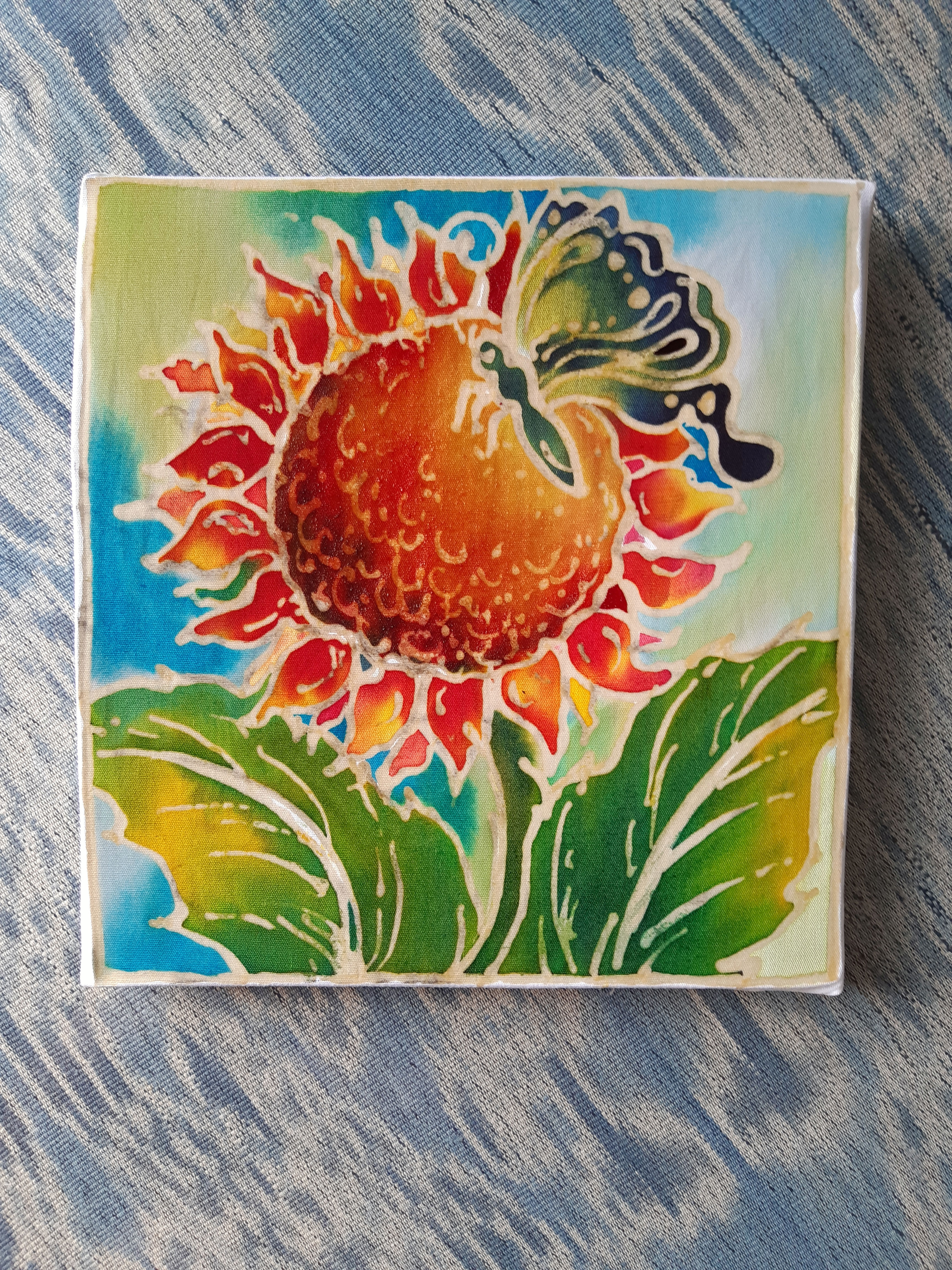
Some art projects ask you to learn five new skills before you can enjoy the fun part. Batik does not have to be one of them. If you are looking for easy batik art for beginners, the best place to start is with a design that already has the wax work done for you. That way, you get the color, pattern, and satisfaction of batik painting without wrestling with hot wax on day one.
That matters more than people think. Traditional batik is a beautiful heritage craft, but the waxing stage can feel intimidating for first-timers, younger artists, busy parents, and anyone setting up a classroom or group activity. A beginner-friendly approach keeps the spirit of batik alive while making the process practical, approachable, and genuinely enjoyable.
What makes batik feel easy for beginners
Batik becomes much simpler when you separate the art form into two parts - wax resist and color application. The wax resist is what creates those signature lines and sections. In traditional batik, that wax is applied by hand with a tjanting tool. It is a skilled process, and it takes patience.
For a beginner, the hardest part is usually not choosing colors or painting inside the design. It is handling melted wax neatly and confidently. That is why pre-waxed batik is such a smart starting point. The outline is already there, the design is ready, and you can focus on the most rewarding step: adding color and watching the pattern come to life.
This is also why easy batik art for beginners works so well for mixed-age groups. Kids can enjoy it. Adults do not feel like they are doing a kiddie craft. Teachers and workshop hosts get a structured activity without a messy setup that takes over the whole room.
Easy batik art for beginners starts with the right surface
The surface you choose shapes the whole experience. A blank piece of fabric may sound exciting, but it also adds pressure. You have to plan the design, apply the wax, and then hope everything behaves the way you expect. For many people, that is less relaxing and more experimental than they want.
A pre-waxed batik piece gives you a clearer path. The linework is already finished by hand, so the project feels open-ended without feeling confusing. You still choose the colors. You still decide whether the finished piece looks soft and subtle or bold and bright. But you are not starting from zero.
That balance is ideal for beginners because it leaves room for creativity without creating unnecessary frustration. If your goal is to make something beautiful in one sitting, or guide a group through a successful craft session, a ready-to-paint batik surface usually works better than a fully DIY setup.
What you actually need
You do not need a studio full of equipment to enjoy batik painting. For most beginner-friendly projects, a simple kit covers the essentials: a pre-waxed design, batik dyes or paints, a palette, brushes, and a protected work surface.
That convenience is not just nice to have. It changes how likely people are to start. Parents are more willing to pull out a project after school when there is no complicated prep. Teachers can fit it into a lesson block. Event organizers can hand materials out quickly and keep the activity moving.
A complete set also helps with color confidence. Beginners tend to do better when the tools are chosen to work together. You are not guessing whether one paint is too thick, another is too watery, or the brush is wrong for the fabric. You can spend your energy on the creative part instead.
How to paint batik without overthinking it
The biggest beginner mistake is trying to make every section perfect. Batik has structure, but it also has personality. Slight blending, variation in color depth, and even unexpected combinations can make the final piece feel more handmade and alive.
Start with lighter colors if you want more control. They are easier to build on, and they give you room to deepen certain sections later. If you know you love bold contrast, choose two or three strong colors rather than using every shade at once. Too many colors can flatten a design instead of making it more exciting.
Work in small areas and let the wax lines guide you. They are there to hold the color and create separation, so use them as your map. If you want a softer look, add a little water for a lighter wash. If you want richer color, use less water and layer carefully once the first area has settled.
It also helps to step back every few minutes. Up close, you will notice tiny details that seem uneven. From a normal viewing distance, the pattern usually looks far more balanced than you think.
Choosing colors that work well together
Beginners often worry about picking the wrong palette. A simple trick is to choose one main color, one supporting color, and one accent. For example, blue, teal, and yellow feel fresh and clean. Pink, orange, and red feel cheerful and energetic. Green and brown can create a more earthy, botanical look.
If the project is for children, brighter colors usually keep the excitement high. If it is for a gift or home decor piece, you might lean into softer tones that fit a room more easily. There is no single right answer. It depends on where the finished piece will live and how expressive you want it to feel.
Let the design do some of the work
One of the best things about pre-waxed batik is that the pattern already brings visual interest. You do not need advanced shading or detailed brushwork to get a strong result. Even flat color can look striking because the wax lines create contrast and rhythm.
That is especially helpful for people who say they are not artistic. In batik, the design structure supports you. You are not trying to invent every element from scratch. You are collaborating with the pattern.
Why beginner batik works so well for families, classes, and events
Some crafts are fun for one person and chaos for ten. Batik painting is different when it is set up simply. Because the design is already prepared, everyone can begin at roughly the same pace. That keeps a group from stalling while one person needs extra setup help.
For families, it offers a rare balance. Younger kids can focus on color choices and brush control, while older kids and adults can play with blending and detail. Everyone ends up with a finished piece that feels personal.
For classrooms and workshops, batik has another advantage: it introduces a traditional art form in a way that feels accessible rather than overwhelming. You can talk about heritage, pattern, and resist techniques while still giving students a project they can complete successfully.
For parties and community events, portability matters. A ready-to-paint format is easier to pack, distribute, and clean up than a process that involves heating wax and setting up extra equipment. It keeps the activity creative without making it complicated.
When a simple batik kit is better than doing everything from scratch
There is a place for full traditional batik practice, especially if you want to study the craft deeply over time. But not every art session needs to begin with technical mastery. Sometimes the better choice is the one that helps people actually sit down and create.
A simplified format is often the right fit when time is limited, when you are working with children, when you need a portable activity, or when you want a giftable result without a steep learning curve. It is also a smart entry point for hobbyists who are curious about batik but not ready to commit to the waxing stage.
That is where brands like Tumadi Batik make the process feel welcoming. The hand-waxed foundation keeps a real connection to batik tradition, while the ready-to-paint format removes the part that stops many beginners from trying at all.
Getting a finished piece you will actually want to keep
The difference between a craft that gets tucked in a drawer and one that gets displayed usually comes down to pacing. Do not rush to fill every section immediately. Give yourself time to notice which areas need more color and which already have enough contrast.
It also helps to think about the final use before you begin. If the piece will hang on a wall, stronger contrast can help it stand out. If it is meant to feel soft and decorative, lighter tones may suit it better. A bookmark, coaster, or small panel can handle brighter color because the scale is compact and playful.
Most of all, let the piece look handmade. Batik is not supposed to feel machine-perfect. The charm is in the human touch - the color choices, the slight variation, the way one person’s version of the same design looks completely different from another’s.
If you have been curious about batik but hesitant to start, choose the version that makes starting easy. A simple, pre-waxed project lets you enjoy the color, pattern, and tradition without turning your first try into a test. That is often how a new creative habit begins - not with pressure, but with one piece you are proud to finish.


Comments