

Can Kids Paint Batik Safely? Yes - With Care
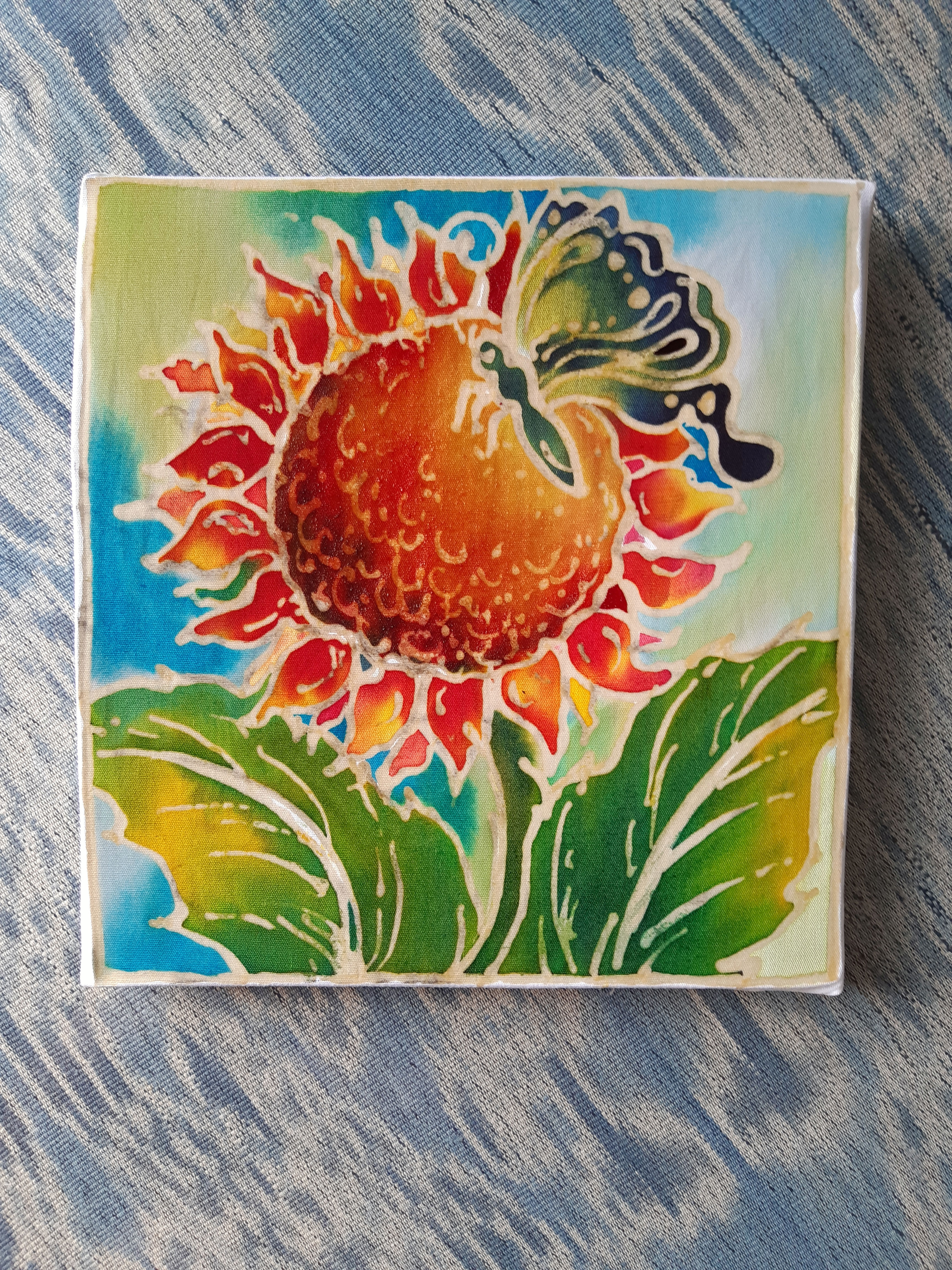
A child with a brush in one hand and bright dye on the palette is usually thinking about one thing - making something beautiful. Parents, teachers, and group organizers are thinking about something else too: can kids paint batik safely? The reassuring answer is yes, they can, as long as the activity is set up for children rather than expecting children to adapt to an adult craft process.
That distinction matters. Traditional batik can involve hot wax tools, detailed fabric handling, and a level of precision that is better suited to experienced makers. But batik painting for kids is a different experience when the wax design is already applied. It keeps the heart of batik art alive - the flowing colors, the magic of wax-resist lines, the handmade feel - while removing the part that raises the biggest safety concern.
Can Kids Paint Batik Safely at Home or in Class?
Yes, if the project is age-appropriate and prepared well. The safest version of batik for children is usually a pre-waxed piece paired with ready-to-use dyes, a palette, brushes, and adult supervision. In that setup, kids are painting within wax outlines instead of working with heated wax or specialized tools.
This is why the phrase "batik for kids" can mean very different things depending on the kit. If a project expects a child to melt wax, pour wax, or use a tjanting tool independently, that is not the right starting point for most young painters. If the project begins with the design already waxed by hand, the activity becomes much more manageable and much more family-friendly.
For classrooms and parties, this also makes the pace easier to control. Children can get started quickly, adults can focus on guidance instead of hazard management, and the creative part stays front and center.
What Makes Batik Safe for Children?
The biggest factor is removing heat from the process. In traditional batik, hot wax is central to creating resist lines. In a beginner-friendly version for children, those lines are already there. That means kids can enjoy the painting stage without handling melted wax, heated tools, or stovetop equipment.
The second factor is the type of dye or paint being used. Children should work with materials intended for craft use and introduced with clear instructions. Adults should still check labels, especially for age recommendations, washability, and whether the product is meant for skin contact. Safe does not mean mess-free, and it does not mean a child should be left unsupervised with open containers.
The third factor is the environment. A protected table, aprons or old clothes, water for brush rinsing, and paper towels nearby can solve most problems before they become stressful. A calm setup makes kids more careful. A rushed setup usually creates spills, stained sleeves, and frustrated adults.
The Main Safety Risks to Watch
Most concerns around kids painting batik are practical rather than dramatic. The common issues are staining, accidental splashes, children putting brushes in their mouths, and younger kids rubbing eyes with painty fingers. None of these are unusual in art time, but batik dyes can be vivid and long-lasting, so a little preparation goes a long way.
Age matters here. A careful ten-year-old and an energetic four-year-old may be using the same kit, but they are not taking in instructions the same way. Younger children usually need closer, hands-on supervision. They may also do better with fewer colors at once and shorter sessions.
There is also the question of attention span. Batik painting is enjoyable because the wax lines help guide the color, but some children will still want to rush. That is not unsafe by itself, yet hurried painting often leads to more contact with clothing, furniture, and faces. Slowing the activity down actually improves both safety and results.
How to Set Up a Kid-Friendly Batik Session
A good setup does half the teaching for you. Cover the table first. Use a flat, stable work surface with enough room for each child to keep the batik piece, palette, rinse water, and brush in separate spots. Crowded craft tables create accidental elbow bumps and color spills.
Dress for mess, even if the dyes are labeled as washable. Aprons are helpful, but an old T-shirt works too. Keep wipes or damp paper towels close by so hands can be cleaned before children touch their faces, phones, or the nearest sofa cushion.
Then introduce the project simply. Show children how the wax lines hold color in sections. Explain that brushes are for painting, not stirring, tapping, or pretending to be mustaches. It sounds obvious, but short, clear rules work better than long lectures.
If you are leading a group, pour small amounts of dye rather than handing over full bottles. This gives children enough freedom to create while making the activity easier to manage.
Why Pre-Waxed Batik Is the Better Choice for Kids
Pre-waxed batik changes the experience in all the right ways. It keeps the traditional wax-resist look that makes batik so distinctive, but it removes the most technical and safety-sensitive step. Children can focus on choosing colors, filling shapes, and watching the design come to life.
That is especially valuable for beginners. A child does not need to understand the full history and method of wax application to enjoy and appreciate batik. They can start with the painting stage, gain confidence, and build curiosity about the craft over time.
For adults, the benefit is practical too. You are not trying to teach cultural art, hot tool safety, color control, and patience all at once. You are offering an approachable entry point that still feels authentic. That balance matters. Heritage crafts should feel welcoming, not intimidating.
This is one reason ready-to-paint batik kits are often a smarter fit for family craft time, school art sessions, and birthday activities. They lower the barrier without flattening the art form into something generic.
Can Kids Paint Batik Safely at Different Ages?
Yes, but the answer changes a little by age group. Preschool-age children can enjoy simple batik painting if an adult is actively helping with brushes, hand cleaning, and color use. Elementary-age kids are often in the sweet spot - old enough to understand the wax boundaries and young enough to be delighted by the process. Older kids may enjoy more detailed designs and more independence.
What matters most is not the exact birthday printed on the form. It is whether the child can follow simple instructions, keep materials out of their mouth, and stay engaged at the table. Some children can do that earlier than others.
For mixed-age groups, choose designs that do not punish uneven skill levels. Batik is wonderful for this because the wax outlines give structure, so even a first-time painter can create something satisfying.
Best Practices for Parents and Teachers
Supervision should be active, especially at the beginning. That does not mean hovering over every brushstroke. It means staying close enough to redirect habits before they become problems. Help children rinse brushes properly, remind them not to overload the bristles, and encourage them to pause before switching colors.
Ventilation is a sensible extra step, particularly if you are working indoors with several painters. Open windows if possible and keep the area comfortable. Even when materials are beginner-friendly, a fresh-air setup simply feels better for longer sessions.
It also helps to frame the activity correctly. Batik painting is not a race to finish first. When children understand that the goal is to enjoy the process and explore color, they usually settle into it more thoughtfully.
Brands that focus on pre-waxed, ready-to-paint batik sets, including Tumadi Batik, make this easier because the materials are built around accessibility. That kind of format is often the difference between a stressful art attempt and a session children want to do again.
When Batik May Not Be the Right Fit
There are a few situations where it makes sense to wait. If a child still puts art tools in their mouth often, cannot follow one-step directions, or becomes overwhelmed by sensory mess, batik painting may be better introduced later or in a more tightly supported one-on-one setting.
It is also worth being realistic about the setting. A quiet afternoon at the kitchen table is different from managing twelve excited kids at a party. Batik can work beautifully for both, but larger groups need more prep, more table space, and more adult oversight.
That does not mean the craft is difficult. It just means success depends on matching the activity to the child and the moment.
So, can kids paint batik safely? Yes - especially when the wax design is already done, the materials are chosen for beginners, and adults set the tone with a simple, thoughtful setup. Give children a safe path into the art, and batik becomes what it should be: creative, colorful, and full of pride when they hold up the finished piece.


Comments