

Batik Art Project for Classroom Success
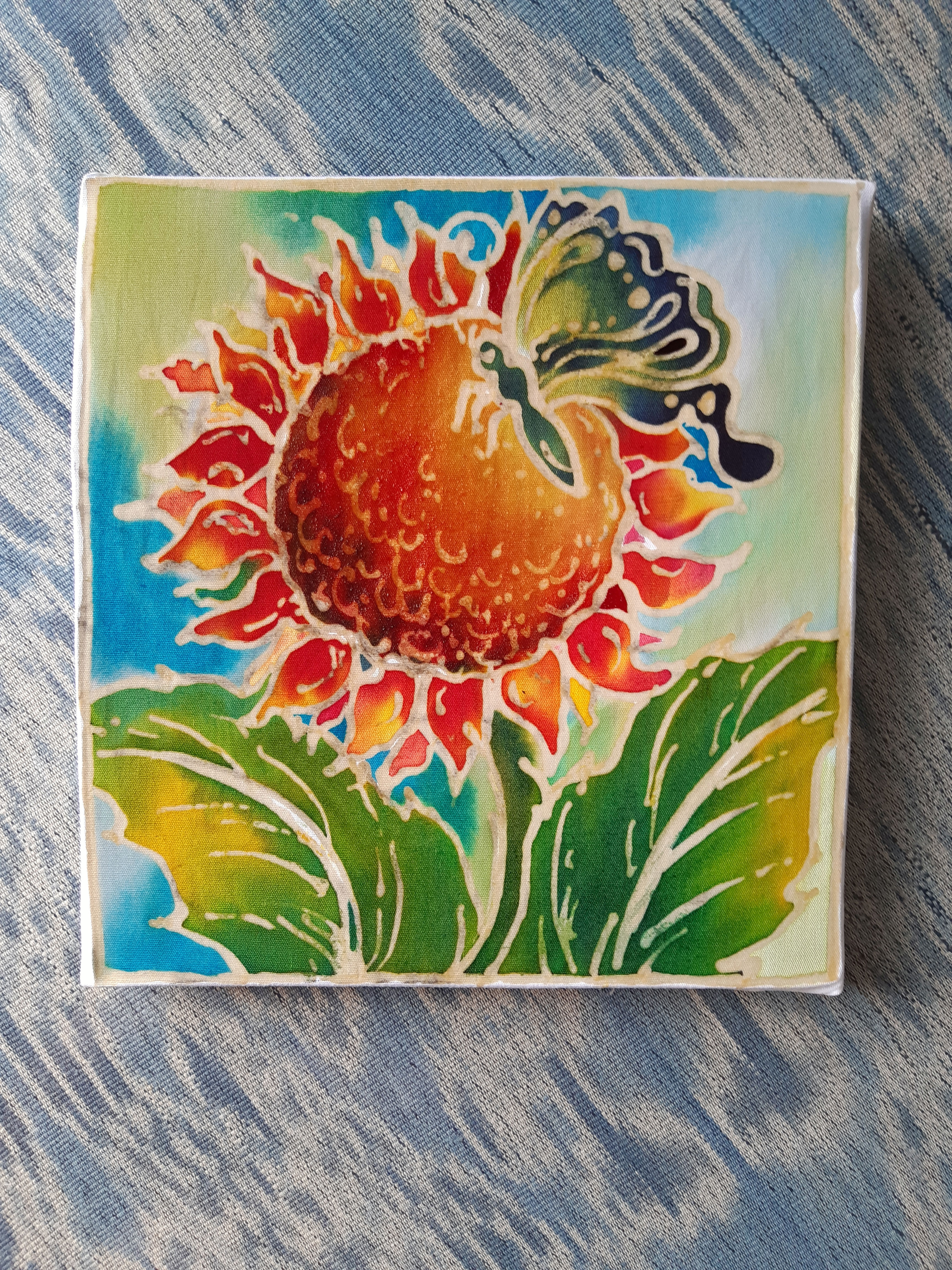
Updated: Apr 20
The best classroom art projects are the ones students can start with curiosity and finish with real pride. A batik art project for classroom use does exactly that. It gives children bold lines, bright color, and a hands-on connection to a traditional art form without turning the lesson into a complicated materials puzzle for the teacher.
Batik has deep cultural roots, and that matters in a school setting. At the same time, teachers need projects that fit a class period, work for different age groups, and do not require advanced prep. That is where simplified batik painting, especially with pre-waxed designs, becomes such a practical fit. Students still experience the magic of color flowing into enclosed spaces, but the classroom stays manageable.
Why a batik art project for classroom learning works
A strong art lesson needs more than a pretty result. It should teach process, encourage decision-making, and leave room for individual expression. Batik does all three.
Students quickly understand the visual structure because the wax-resist lines create clear sections to paint. That built-in framework is especially helpful for younger artists or reluctant creators who can feel overwhelmed by a blank sheet. Instead of asking, "What do I draw?" they can move right into choosing color, testing contrast, and building pattern.
There is also a nice balance between guidance and freedom. Every student can begin with the same design format yet end with something completely personal. One child may use soft blended color, another may go bright and graphic, and another may focus on repeating patterns. The project feels successful across different skill levels, which is not true of every classroom craft.
For teachers, the appeal is practical too. Batik can support lessons on world art traditions, pattern, line, color theory, and textile design. It can work in elementary settings, middle school art rooms, after-school clubs, homeschool groups, and family workshop events. It is flexible, but it still feels special.
What makes batik easier for the classroom
Traditional batik involves applying hot wax to fabric with specialized tools, which is beautiful but not always realistic for a classroom with limited time and shared tables. The challenge is not student interest. The challenge is setup, safety, and cleanup.
That is why ready-to-paint batik surfaces are such a smart option. Pre-waxed pieces keep the authentic look of wax-resist art while removing the hardest technical stage. Students can focus on painting rather than waiting through a long demonstration on wax application. Teachers can focus on the lesson rather than managing heat tools.
This is also where a batik kit can save a lot of stress. A prepared set with pre-waxed designs, dyes or paints, brushes, and palettes cuts down on supply hunting and helps the class start faster. For group activities, that convenience matters more than most people expect. A project can be culturally meaningful and still be easy to run.
Choosing the right format for your students
Not every class needs the same version of batik. The best format depends on age, time, and how much independence your students can handle.
For younger children, smaller pre-waxed designs with larger painting areas tend to work best. They make it easier to stay inside sections and finish within one session. Students in upper elementary and middle school can usually handle more detailed patterns and stronger color planning.
Fabric is a lovely option when you want students to experience batik in a way that feels close to the traditional form. Paper or cardstock versions can be easier if drying space is limited or if you want to mount the finished work quickly for display. Neither is automatically better. It depends on whether your goal is process, presentation, or speed.
If the class period is short, choose a project that can be completed in one sitting with simple drying. If you have two sessions, students can spend more time on color blending, pattern repetition, and reflection. The trade-off is obvious: more time gives deeper artistic choices, but a shorter format is often better for classroom flow.
How to set up the lesson without overcomplicating it
A classroom batik lesson works best when the room is organized before students arrive. Put each student’s materials in one place and keep shared water cups and paper towels easy to reach. This sounds simple because it is simple, and that is exactly the point.
Start with a short introduction to batik as a resist art process. Students do not need a long lecture, but they should understand that the lines they see are not just decoration. They are part of a traditional method that separates areas of color. That small piece of context gives the activity more meaning.
Then demonstrate how little paint or dye is actually needed on the brush. Beginners often overload the brush, which can make colors muddy. A quick demonstration on dabbing, rinsing, and changing colors will prevent most problems before they start.
During work time, encourage students to make a color plan before they paint every section. This keeps the project thoughtful rather than rushed. It also helps them notice contrast. If two similar colors sit side by side, the design can lose some of its energy. That kind of artistic decision-making is one of the strongest learning moments in batik.
Classroom tips that make the project smoother
The biggest difference between a frustrating art day and a good one is usually not talent. It is pacing. Give students a simple order to follow: choose colors first, paint from light to dark if possible, and work one section at a time.
Drying time matters too. If students stack work too early, the finished pieces can smear. Make a drying area before class starts and explain that finished art goes there immediately. It saves a lot of rescue attempts later.
It also helps to accept that outcomes will vary. Some students want careful precision. Others will lean into bold, unexpected color combinations. Batik holds both approaches well. The wax lines bring enough structure that even adventurous choices often look striking.
If you are planning for a group event, art fair booth, library program, or classroom celebration, prepared kits can be especially useful. Tumadi Batik, for example, centers its batik sets around pre-waxed designs and beginner-friendly materials, which makes the activity more accessible when time and attention are limited.
What students learn beyond painting
A good batik lesson is not only about filling shapes with color. Students learn how a traditional art process can be adapted respectfully for modern use. They see that handmade work involves method, not just decoration.
They also practice patience. Batik has enough structure to feel approachable, but it still asks students to slow down and think about sequence. That is valuable in a classroom where many activities reward speed over care.
There is also a cultural learning opportunity here. Teachers can frame batik as part of a broader conversation about global textile traditions, artisan methods, and the way patterns carry meaning. You do not have to turn the lesson into a full history unit, but acknowledging origin and tradition gives the project proper weight.
Displaying finished batik art in a meaningful way
One of the pleasures of classroom batik is that it displays beautifully. The contrast of wax outlines and color reads well from a distance, so even simple student work can look polished on a bulletin board or hallway wall.
If the class used a shared theme such as nature, geometric pattern, or cultural motifs, display the pieces together to show how many directions students took within one format. That visual variety reinforces the idea that art can be structured and personal at the same time.
For student reflection, a short artist statement works well. Ask what colors they chose first, what mood they wanted to create, or what they found challenging. Reflection turns the project from a craft moment into a fuller art experience.
When batik is the right choice and when it may not be
Batik is an excellent classroom project, but like any art activity, it works best under the right conditions. If you need a fast five-minute cleanup and zero drying time, another medium may be easier. If you want strong visual results, cultural relevance, and a process students can genuinely enjoy, batik is hard to beat.
The key is choosing a version that matches your setting. Traditional methods offer depth and authenticity but require more equipment and control. Pre-waxed classroom-friendly options offer accessibility and speed. Neither choice is wrong. The better choice is the one your students can actually complete with focus, joy, and room to make something that feels like their own.
When a lesson gives students beauty, process, and a sense of accomplishment all at once, it tends to stay with them longer than expected - and batik has a way of doing exactly that.


Comments