

Batik Painting Workshop Singapore: What to Expect
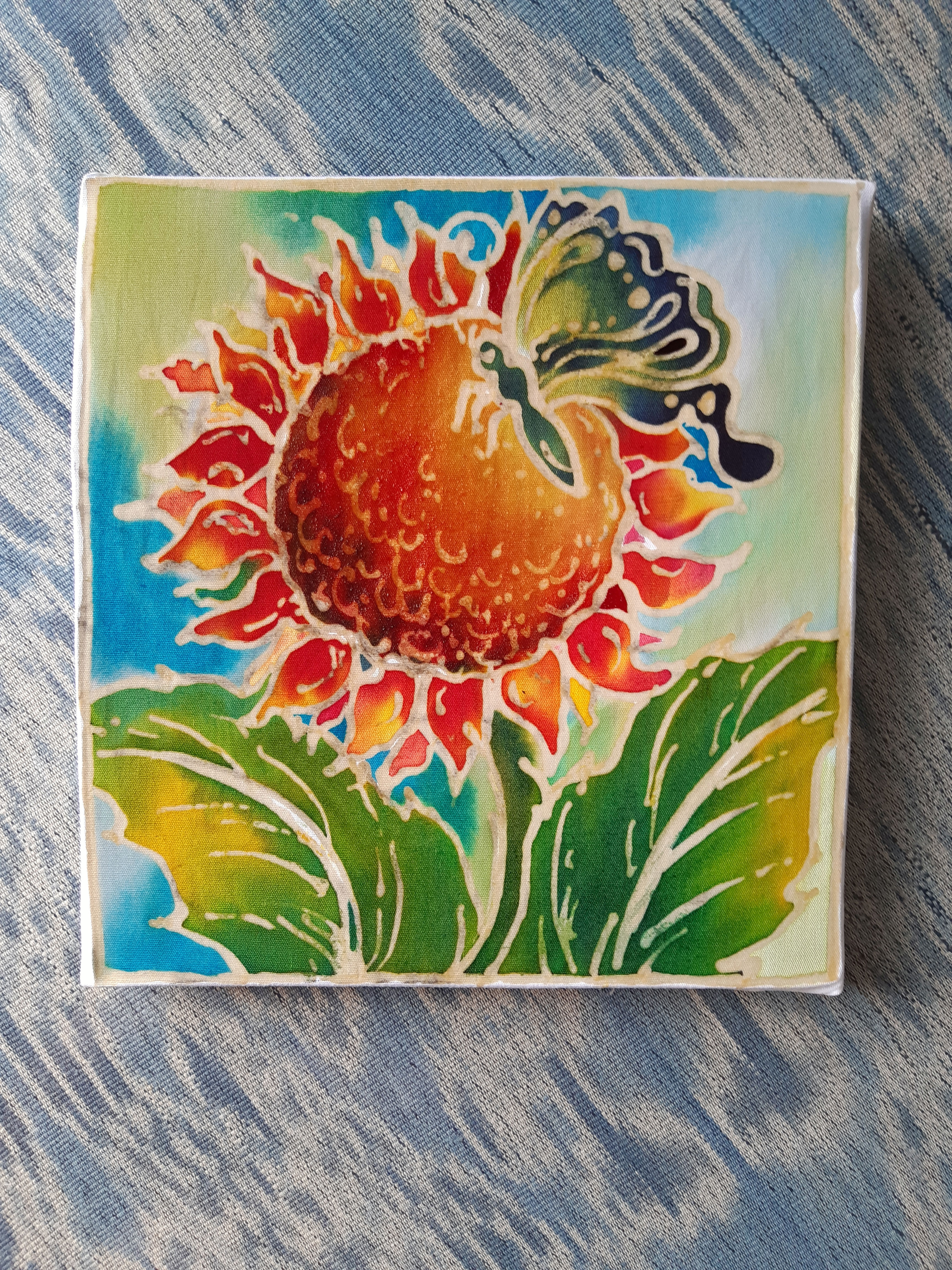
A good batik session starts with a small surprise: you do not need to be “good at art” to enjoy it. That is exactly why a batik painting workshop Singapore experience appeals to so many people, from families and school groups to adults who simply want a creative afternoon that feels different from the usual paint-and-go class.
Batik has heritage, texture, and a look that feels instantly special on fabric. But for beginners, the traditional waxing stage can seem intimidating. A well-designed workshop removes that barrier without stripping away the character of the craft. You still work with batik dyes, still see the beauty of wax-resist lines, and still leave with something that looks handmade rather than factory-perfect.
Why a batik painting workshop in Singapore feels different
Not every craft workshop gives you the same kind of satisfaction. Some are mostly about speed. Others are so technical that first-timers spend half the session worrying about making mistakes. Batik sits in a more enjoyable middle ground.
The process is structured enough to feel approachable, but open enough for personal color choices and style. The wax outlines guide your design, which helps children and beginners stay confident. At the same time, the finished piece still reflects your taste. Two people can paint the same pattern and end up with completely different results.
Singapore is also a meaningful setting for a basic batik workshop because the region has long-standing connections to batik traditions. That context gives the activity more depth. It is not just another craft table project. It is a chance to spend time with an art form shaped by technique, patience, and decorative storytelling.
What happens during a batik painting workshop Singapore session
Most basic workshops are designed to keep the experience easy to follow. You are usually given a pre-waxed fabric piece, selected dyes or fabric colors, brushes, and a palette. The pre-waxed design matters more than many first-timers realize. It removes the hardest stage while keeping the distinct batik look intact.
The instructor typically begins with a short introduction to what batik is, how wax-resist works, and how color behaves on fabric. This part is brief, which is a good thing. Most people do not want a long lecture before they start creating. They want enough guidance to feel comfortable, then room to paint.
Once the painting begins, the workshop becomes very hands-on. You test colors, decide whether to go bold or soft, and learn quickly that batik dye does not behave exactly like acrylic paint on canvas. It can spread a little, soak in fast, and create beautifully uneven areas that make the piece feel alive.
That unpredictability is part of the appeal. If you prefer total control, batik may take a few minutes to get used to. If you enjoy craft projects that have a little movement and surprise, it is deeply satisfying.
The materials matter more than you think
A beginner-friendly workshop is only as good as its setup. Clear wax lines, balanced dye colors, and thoughtfully chosen designs make the whole session smoother. When the fabric has already been hand-waxed, participants can focus on color placement, blending, and the fun of seeing the pattern emerge.
This is one reason pre-waxed batik formats work so well for events, classrooms, and mixed-age groups. They preserve the visual identity of traditional batik while making the activity more practical for modern use. That balance between heritage and convenience is what makes the format so appealing.
Who should try it
Batik workshops are especially well suited to people who want a creative experience without a steep learning curve. Parents often like them because children can participate without needing advanced drawing skills. Teachers and group organizers appreciate that the project has structure, clear materials, and a visible outcome by the end of the session.
Adults tend to enjoy batik for a different reason. It feels calm without being boring. There is enough decision-making to keep you engaged, but not so much pressure that the activity turns stressful. If you have ever wanted a craft that feels artisanal but still manageable in one sitting, batik is a strong choice.
It also works well for parties, team sessions, and community events. The shared format is simple, yet individual results still look distinct. That combination is useful. People can create side by side, compare color choices, and leave with something personal instead of a one-size-fits-all souvenir.
What beginners usually get right - and wrong
Most first-timers do better than they expect. The wax outlines act as a quiet guide, helping with spacing and keeping shapes visually organized. Even simple color choices can look polished because the design itself carries a lot of character.
Where beginners sometimes struggle is overthinking the palette. They either try to use every color at once or become so cautious that the piece looks flat. Batik usually looks best when there is some contrast. A few strong shades paired with lighter areas often create better results than filling every section with something different.
Another common mistake is assuming that perfect neatness is the goal. It is not. Batik has a handmade quality. Slight variation in how dye settles into the fabric is part of what gives it warmth. The goal is not perfection. The goal is to create something expressive and enjoyable.
How to get a result you actually want to keep
Start by choosing two or three main colors before you begin. That keeps the design cohesive. Then decide where you want the eye to go first. A bright central flower, a deep border, or repeated accent tones can help the whole piece feel intentional.
Leave a little breathing room, too. Not every section needs heavy color. Lighter spaces can make the finished work look more refined. If your instinct is to keep adding, pause for a moment and look at the full composition before continuing.
Is a workshop better than using a batik kit at home?
It depends on what you want.
A workshop is better if you want guidance, a shared experience, and a set time to focus on the project. It is especially useful for first-time batik painters who want a confident start. You can ask questions, see examples, and learn techniques in real time.
A DIY batik kit at home makes more sense if convenience is the priority. You can paint at your own pace, repeat the activity with kids, or use it for a party table, classroom project, or quiet weekend craft session. For many people, the easiest path into batik is a ready-to-paint pre-waxed set because it removes setup stress while keeping the experience authentic and creative.
That is why simplified batik formats have become so popular. They respect the visual language of traditional batik but fit modern schedules, homes, and group activities much better than a fully technical setup would.
Choosing the right batik painting workshop Singapore option
If you are comparing workshops, look beyond the basic promise of “fun for beginners.” The better question is how the session is designed. Are the materials prepared well? Are the designs clear and attractive? Is the pace comfortable for children and adults? Does the project feel culturally grounded rather than generic?
Those details shape the experience. A rushed session with weak materials can make any craft feel disposable. A carefully prepared batik workshop feels very different. It feels personal, creative, and worth your time.
If you are organizing for a group, practicality matters too. Pre-waxed pieces, ready palettes, and approachable instructions make the event easier to run. This is where brands that specialize in beginner-friendly batik formats, including Tumadi Batik, stand out. The idea is simple: keep the art form recognizable and meaningful, while making participation easy enough for real people in real settings.
The real reason people come back to batik
People rarely return to batik just because it was easy. They come back because it gives them something many craft activities do not. It offers structure without stiffness, beauty without requiring expert skill, and a finished piece that feels rooted in tradition rather than trend.
That matters whether you are planning a workshop in Singapore, setting up a school activity, or choosing a giftable craft experience for home. Batik has a way of making people slow down, choose color more intentionally, and appreciate the small irregularities that make handmade work feel human.
If you try it once and find yourself wanting another design to paint, that is usually the sign of a good craft - not just that it filled an hour, but that it left your hands busy, your mind lighter, and your creativity a little more awake.


Comments