

Why Cultural Art Kits for Families Work
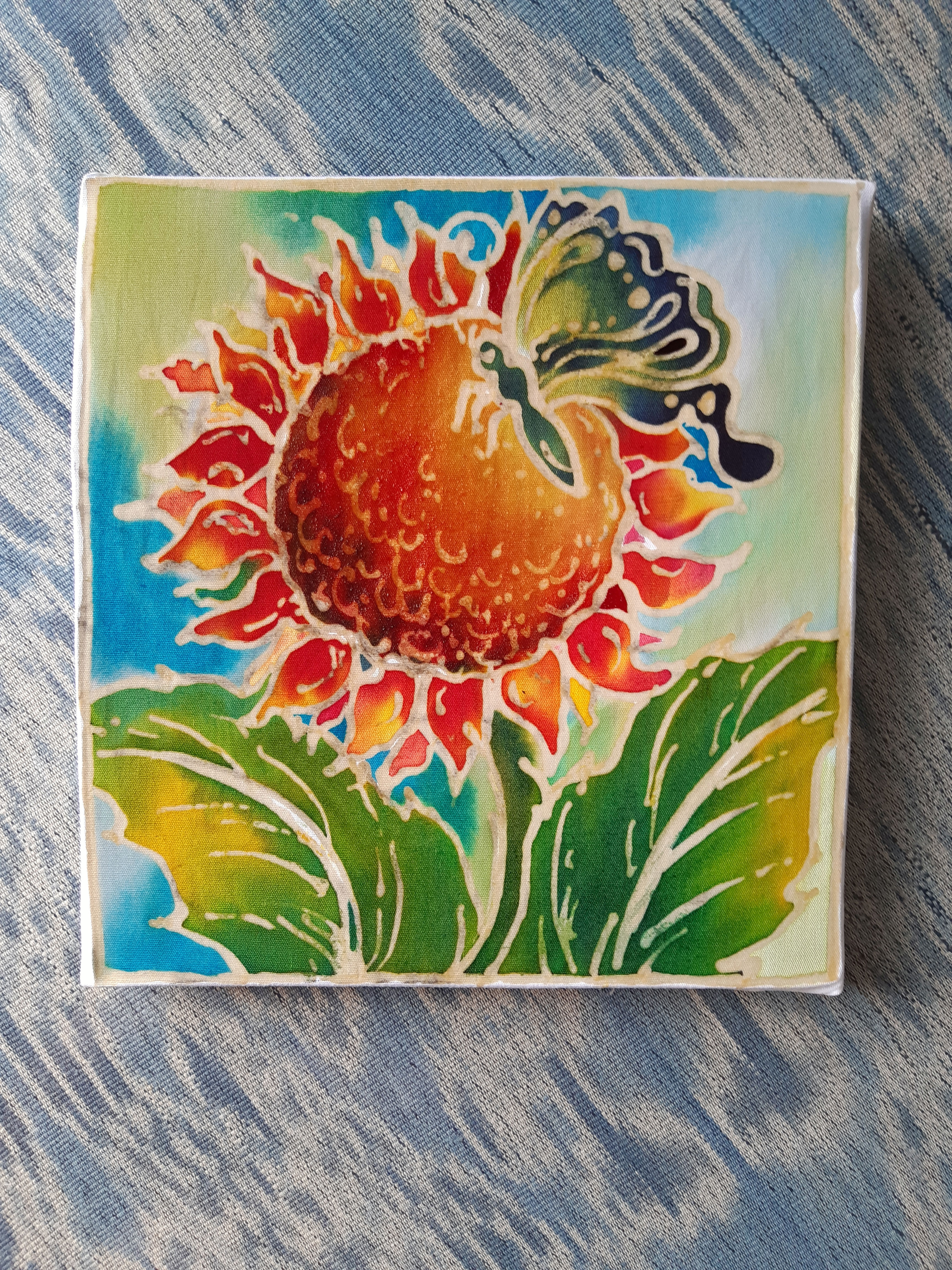
Some family craft projects start with excitement and end with half-opened supplies, a confusing instruction sheet, and one child asking to do something else. Cultural art kits for families tend to work better when they offer a clear activity, a meaningful story, and an end result everyone feels proud to keep. That combination matters more than parents often realize.
When a kit introduces an art tradition instead of just another generic craft, the activity feels richer from the start. You are not only filling time on a rainy afternoon. You are making space for conversation, curiosity, and hands-on creativity that feels connected to real artistic heritage. For families who want something more memorable than foam stickers and disposable projects, that difference is a big one.
What makes cultural art kits for families different
The best cultural art kits for families do two jobs at once. They make art approachable for beginners, and they preserve enough of the original art form to keep the experience meaningful. That balance is not always easy.
Some kits lean so heavily into convenience that the cultural side disappears. Others stay so technical that younger kids lose interest before the fun begins. A strong family kit sits in the middle. It gives you structure, but it still feels like real art. It teaches without sounding like homework.
This is one reason batik works especially well in a family setting. Traditional batik has depth, history, and a distinct visual style, but the full process can be intimidating for first-timers. Pre-waxed batik kits remove the hardest entry point while keeping the painting experience intact. Families still get to work with color, pattern, and the recognizable look of batik, without needing to master wax application first.
That practical adjustment matters. It opens the door for parents, kids, and even grandparents to join the same activity without turning the table into a lesson in advanced technique.
Why families are looking for more meaningful craft time
A lot of parents are not just shopping for an activity. They are looking for a better kind of activity. They want something screen-free, yes, but they also want something with substance.
That is where culturally inspired craft projects stand out. They give families a reason to slow down and ask questions. Why do these patterns look this way? Where did this art form come from? What colors feel traditional, and what happens when we try our own version? Those small questions turn a simple painting session into shared discovery.
There is also a practical side. When a project has cultural value, people tend to treat the finished piece differently. It is more likely to be framed, gifted, or kept as a memory. A child sees it as artwork, not just a craft they made to pass an hour.
For parents, that often makes the purchase easier to justify. The activity feels enjoyable in the moment, but it also has lasting value.
Why batik is a strong fit for family art kits
Batik has a visual appeal that makes it immediately inviting. The outlined wax-resist design gives beginners a starting point, and the color application feels relaxed and creative rather than rigid. Even people who say they are not artistic usually find it easy to begin.
That beginner-friendly quality is important in mixed-age households. A family activity falls apart quickly if one person finds it too basic while another finds it too hard. Batik painting has enough freedom for older kids and adults to experiment with blending and color choices, while still being structured enough for younger participants to enjoy.
It also creates impressive results without requiring a long setup. That matters for real family life. Parents often want an activity that feels special but does not demand a full day, specialized tools, or a steep learning curve. A ready-to-paint batik set answers that need well.
This is where pre-waxed designs are especially helpful. They preserve the character of traditional batik while making the process much more approachable. Instead of struggling through the most technical stage, families can focus on color, creativity, and enjoying the time together.
What to look for in cultural art kits for families
Not every kit that uses the word cultural delivers a worthwhile experience. Some feel generic once you open the box. Others are overloaded with supplies but light on clarity.
A good family kit should feel complete and easy to start. That means the basics are included, the instructions are simple, and the design suits a range of ages. If adults need to spend thirty minutes preparing materials before the activity begins, the kit is already asking too much from many households.
It also helps when the artwork looks genuinely beautiful. This sounds obvious, but it matters. Families are more motivated when the finished piece feels display-worthy. In batik, that can mean elegant floral motifs, animal designs, or patterns with a handcrafted look that feels rooted in tradition rather than copied from mass-market craft templates.
Cultural context matters too, but it should be presented lightly. Families usually do not need a long history lesson in the middle of craft time. A short, thoughtful introduction to the art form is often enough to add meaning without slowing the experience down.
The trade-off between authenticity and convenience
There is always a question with heritage crafts made beginner-friendly: does simplifying the process take away too much? The honest answer is that it depends on how the kit is designed.
If convenience replaces the character of the art form, the result can feel watered down. But if convenience removes only the barrier that prevents people from trying it in the first place, that is a different story. In many cases, accessibility is what keeps traditional art visible in modern homes.
That is part of the appeal of ready-to-paint batik. Families are not pretending to complete every stage of a master artisan process. They are engaging with a real artistic tradition through a format that suits home use, school settings, parties, and beginner workshops. There is no need to overstate it. It is simply a more practical entry point.
For many households, that is exactly the right choice. A project people actually finish is more valuable than a highly authentic process no one feels confident starting.
When these kits work best at home
Cultural art kits work especially well when families treat them as an experience, not just a backup activity. A weekend afternoon, a birthday gathering, a holiday break, or a quiet evening with the table cleared can all be good moments.
They are also useful when families have different energy levels and attention spans. Batik painting, for example, allows people to work at their own pace. One person may carefully layer colors, while another finishes quickly and still ends up with something vibrant and satisfying.
That flexibility makes the activity feel less forced. Nobody needs to create the same result, and that is often where the fun begins. Shared craft time works best when it leaves room for individual choices.
For teachers, group hosts, and workshop organizers, this same flexibility is a plus. The structure is clear enough for group use, but the artistic outcome still feels personal.
A better kind of family keepsake
One overlooked benefit of cultural art kits for families is what happens after the paint dries. The finished work often carries more emotional weight than a standard craft project. It reminds people not only of what they made, but of what they learned and who they made it with.
That is why batik kits also make strong gifts. They offer an experience first and an art piece second, which is often more memorable than handing someone another off-the-shelf item. For families who enjoy thoughtful presents, that combination feels personal without being complicated.
Brands like Tumadi Batik are appealing for this reason. They make traditional batik more accessible through pre-waxed, ready-to-paint sets, while keeping the handcrafted spirit that makes the art form special. For buyers who want something practical but not ordinary, that is a strong fit.
The best family crafts do more than keep hands busy. They create a moment people want to return to, and artwork they are glad they made together. If you are choosing your next activity, pick one that brings home both creativity and culture - and gives everyone at the table a real reason to stay awhile.


Comments