

What Paint to Use for Batik at Home
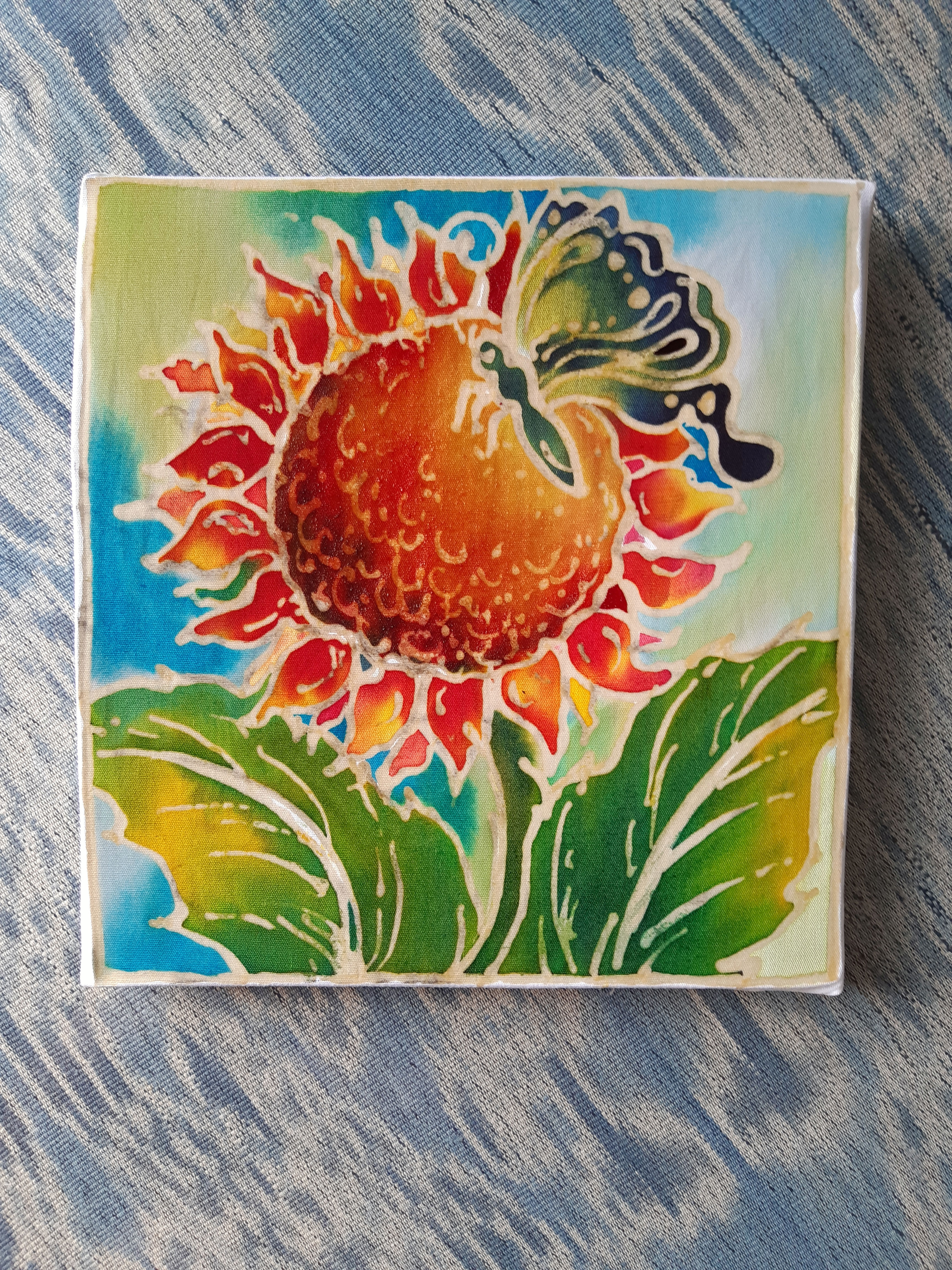
A batik project can go from exciting to frustrating fast if the color sits on top of the fabric like paste, bleeds under the wax lines, or dries dull instead of vibrant. If you are wondering what paint to use for batik, the short answer is this: traditional batik works best with fabric dyes, but certain fabric paints can also work well, especially for beginner-friendly, pre-waxed projects.
That distinction matters. In classic batik, wax resists the color while dye soaks into the fabric. The result is soft, rich color that becomes part of the cloth itself. Paint behaves differently. It usually sits more on the surface, which can be useful for control and convenience, but it changes the final look and feel. For many crafters, families, and classrooms, that trade-off is completely worth it.
What paint to use for batik depends on the project
The best choice depends on what you are painting, who is making it, and how much traditional technique you want in the experience.
If you are working on cotton or another absorbent fabric and you want the most authentic batik finish, fabric dye is the first choice. Dye spreads through the fibers, keeps the fabric flexible, and creates the classic transparent look that batik is known for.
If you want something easier to control, less messy for group settings, or more approachable for children and beginners, thin fabric paint is often the better option. It can be brushed on more slowly, mixed easily in a palette, and applied with less concern about fast spreading. That is one reason pre-waxed batik painting kits are so appealing. They keep the beauty of wax-resist art while removing the hardest part for new makers.
Acrylic paint, by contrast, is usually not the best answer unless it is specifically made for fabric or mixed with a fabric medium. Standard craft acrylic can make the fabric stiff and may crack or fade with use. It can work for decorative wall pieces or mixed-media projects, but it is not ideal for wearable or soft fabric batik.
The best options for batik color
Fabric dye for a traditional batik result
If your goal is a true batik look, fabric dye is the gold standard. It penetrates the cloth rather than coating it, so the finished piece stays soft and fluid. Colors often appear brighter and more luminous because light passes through the dyed fibers instead of bouncing off a paint layer.
This is especially effective on natural fabrics like cotton, rayon, and silk. Batik and natural fibers simply get along better. Synthetic fabrics can be unpredictable, and some paints or dyes will struggle to bond properly.
The challenge with dye is that it moves quickly. That can be beautiful when you want flowing color transitions, but it can also surprise beginners. In workshops, parties, or family crafting sessions, that learning curve is not always ideal.
Thin fabric paint for easy, controlled batik painting
For many home crafters, this is the sweet spot. Thin fabric paint gives more control than dye, especially on pre-waxed designs. You can guide color into small sections, build shades gradually, and avoid the panic of watching liquid race across the cloth.
The key word here is thin. Heavy fabric paint can leave a raised or stiff surface, which works against the soft beauty people usually want from batik. A good batik-friendly paint should flow easily from the brush, absorb reasonably well into the fabric, and keep the wax lines visible and crisp.
This is often the most practical choice for beginners, kids, classrooms, and event tables. It offers a satisfying balance between authenticity and ease.
Fabric ink or silk paint for a lighter finish
If you want something between dye and paint, fabric ink or silk paint can be a strong option. These products are usually more fluid than standard fabric paint and can create transparent, glowing color. On finer fabrics, they can produce a very elegant batik effect.
The catch is that they may spread more than expected. For detailed designs or very young painters, that extra movement can be a little tricky. For hobbyists who want a more refined finish, though, they are worth considering.
What to avoid when choosing paint for batik
Some paints are tempting because they are easy to find, but they do not always give good results on fabric.
Standard acrylic paint is the biggest one to approach carefully. Yes, it is colorful and affordable. No, it is not automatically suitable for batik. On fabric, plain acrylic can dry stiff, reduce absorbency, and create a plastic-like finish. If the item is purely decorative, you may get away with it. If you want the piece to feel like fabric, it is not the best fit.
Poster paint and washable school paint are also poor choices for lasting batik art. They may look bright at first, but they tend to fade, rub off, or react badly if the fabric gets damp. They are fine for a quick kids' activity on paper, not for a fabric craft meant to keep.
Oil paint is simply the wrong material here. It is too heavy, too slow to dry, and not designed for this kind of fabric-resist work.
How the fabric changes your paint choice
Not every batik surface behaves the same way, and that affects what paint to use for batik just as much as the paint itself.
Cotton is the easiest and most forgiving option. It absorbs dye and paint well, shows wax lines clearly, and suits both traditional and beginner-friendly techniques. That is why so many batik kits and painted pieces use cotton as the base.
Silk creates beautiful, luminous results, especially with dye or very fluid fabric color. But it is less forgiving than cotton. Colors can spread more quickly, and beginners may find it harder to control.
Canvas or thicker fabric can handle paint better than delicate fabric, but it may not give the same classic batik softness. For wall art, bookmarks, coasters, and similar items, that may be perfectly fine. For scarves or fabric panels, a lighter hand and more absorbent material usually look better.
Why pre-waxed batik changes the answer
If you are using a pre-waxed batik piece, you are already skipping the most technical stage of the process. That opens the door to color options that feel less intimidating.
In a fully traditional setup, the artist applies hot wax by hand, then dyes the fabric in stages. That method is beautiful, but it asks for more tools, more time, and more confidence. For most beginners, the question is not just what paint to use for batik, but what color method will actually help them finish a piece they love.
This is where beginner-ready batik sets shine. Because the wax design is already in place, the painter can focus on color placement, blending, and creativity. A fluid fabric paint or batik dye included in a ready-to-use kit often makes the whole experience smoother. It feels artistic without feeling complicated.
Tumadi Batik follows that idea well by keeping the heritage element of wax-resist art while making the painting stage simple enough for families, classrooms, and first-time crafters.
How to get better results with batik paint
Even the right paint can disappoint if it is applied the wrong way. Batik looks best when the color works with the fabric, not against it.
Start with an absorbent surface and avoid overloading the brush. Too much paint can puddle on top of the wax rather than settle into the open fabric areas. Thin, even layers usually produce cleaner results and better color control.
It also helps to test one small corner first. Some paints dry darker, some lighter, and some spread more than expected. A quick test can save the whole project.
Drying and setting matter too. Many fabric paints need heat-setting to become more durable. Dyes may need rinsing or fixing depending on the formula. If you skip that step, the color may not last as well as you hoped.
One more thing people often overlook is patience. Batik rewards a steady hand. If you keep brushing over a damp area, colors can turn muddy. Let sections settle before adding more.
So what paint should most beginners actually buy?
For most beginners, the best answer is a thin fabric paint or a beginner-friendly batik dye made for cotton. That gives you strong color, easier handling, and a finish that still feels true to the spirit of batik.
If you want the most traditional result, choose dye. If you want the easiest and most controlled experience, choose fluid fabric paint. If you only have regular acrylic paint on hand, it is better to save it for another project unless you are working on a decorative piece and are comfortable with a stiffer finish.
The good news is that batik does not have to be complicated to be meaningful. The right paint should help you enjoy the process, respect the art form, and end up with a piece you are proud to display, gift, or paint again next weekend.


Comments