

How a Batik DIY Painting Kit Makes Art Easy
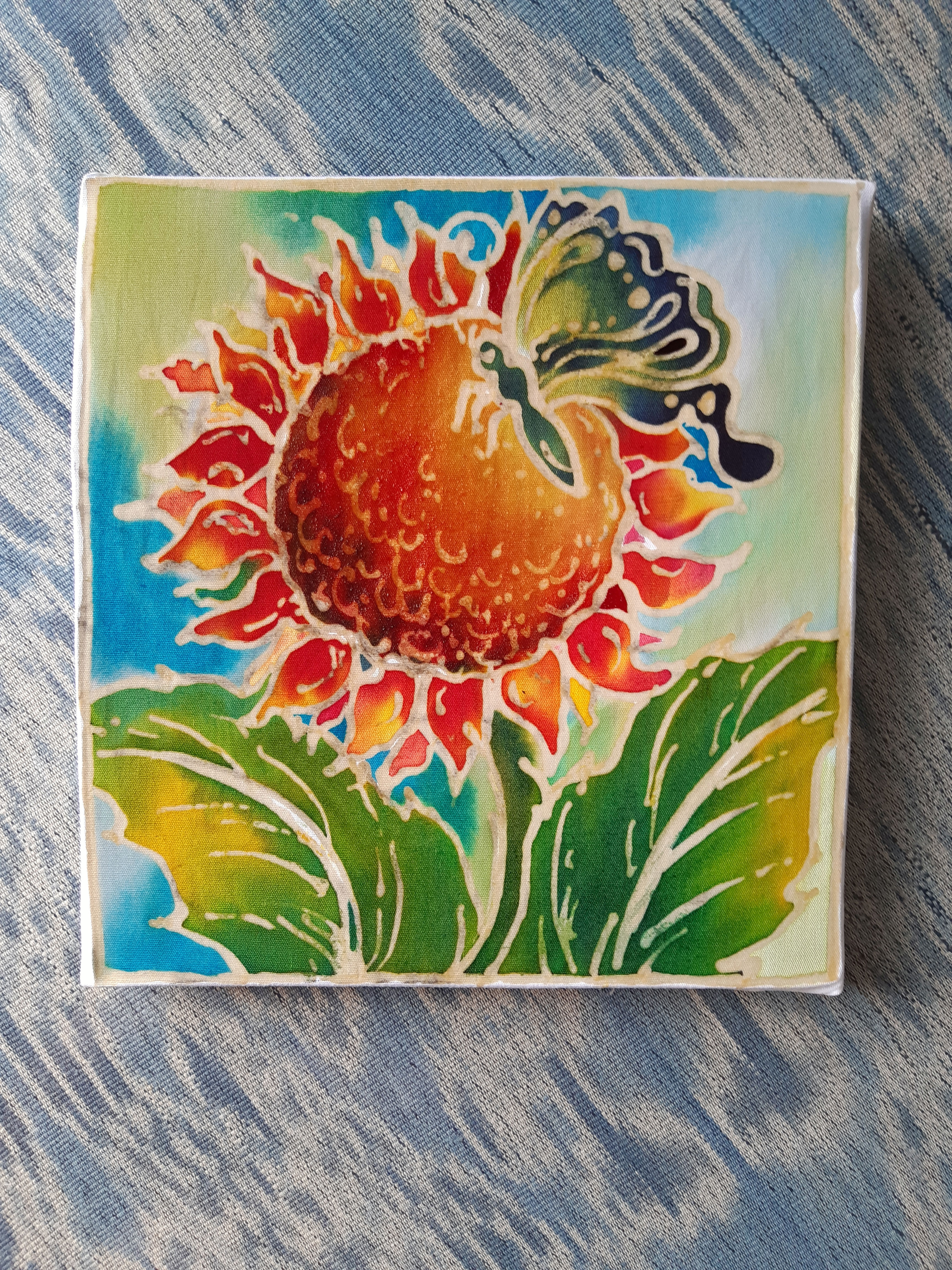
Some craft projects look exciting until you open the box and realize they need special tools, a big cleanup, and more patience than you planned for. A batik diy painting kit changes that. It keeps the beauty of traditional batik painting, but removes the part that stops many beginners from trying it in the first place.
That difference matters more than it sounds. Batik is known for its distinctive wax-resist style, where wax lines guide color and create the detailed look people love. For many first-time crafters, applying wax by hand can feel intimidating. A ready-to-paint kit solves that problem by giving you a pre-waxed design, so you can focus on color, creativity, and the satisfying part - watching the artwork come to life.
What makes a batik DIY painting kit beginner-friendly
The best thing about this type of kit is simple: it lowers the barrier without flattening the experience. You still get to paint within the waxed outlines, blend colors, and enjoy the character that makes batik feel different from an ordinary paint-by-number or coloring page. But you do not need to learn the waxing stage before you can start.
For beginners, that is a huge win. Instead of worrying about how to use hot wax or how to keep your lines clean, you can sit down and begin painting almost right away. That makes the activity more inviting for adults who want a relaxing creative project, for parents who need an art activity that is manageable at home, and for teachers or event organizers who need something structured but still artistic.
A well-designed kit usually includes the essentials: a pre-waxed fabric or surface, batik dyes or paints, a palette, and brushes. Some sets are packed for individual use, while others are organized for parties, workshops, or classroom sessions. That flexibility is part of the appeal. The same format can work for a quiet afternoon craft table or a larger group event.
Why pre-waxed batik feels more approachable
Traditional batik has deep roots and a strong handmade identity. That heritage is part of what makes it special. At the same time, not everyone is looking to begin with the most technical stage of the process. Pre-waxed designs make room for more people to enjoy batik in a practical way.
This is where accessibility and authenticity can work together. The wax outlines still shape the final image and preserve the batik look. You are not replacing the art form with a shortcut that feels generic. You are entering through a more welcoming door.
That matters especially for families and casual hobbyists. If someone has never tried batik before, success in the first session matters. A project that feels achievable is much more likely to become a repeat activity. People want something creative, but they also want a finished piece they are proud to display, gift, or keep.
A batik DIY painting kit works for more than one kind of crafter
One reason these kits stand out is that they are not limited to a single audience. Parents often look for activities that hold a child’s attention without requiring constant rescue. Teachers want projects with clear materials, manageable timing, and results worth taking home. Gift buyers want something more personal than a standard craft set. Hobbyists want an art experience that feels handmade, not mass-produced.
A batik diy painting kit can meet all of those needs, but not always in the same way. For children, simpler designs and brighter colors usually work best. For adults, more detailed motifs can make the process feel meditative and visually rich. For group settings, ease of setup matters as much as the artwork itself.
That is why the design of the kit matters. A beautiful motif is important, but so is usability. If the brushes are easy to handle, the color set feels well chosen, and the pre-waxed lines are clear, the whole experience becomes smoother. Good craft kits do not just provide materials. They quietly remove friction.
What to expect when you open the kit
A quality batik set should feel ready, not confusing. You should be able to see the design, identify your tools, and understand how to begin without needing a long technical lesson. That does not mean the project is simplistic. It means the setup respects your time.
Usually, you begin by arranging your dyes or paints in the palette and deciding how you want to approach the design. Some people work section by section, staying careful within each waxed boundary. Others choose a broader color story first, then build contrast as they go. Neither approach is wrong. Batik painting has structure, but there is still room for personal style.
The wax lines help contain the color, which is one of the most satisfying parts of the process. Even beginners can achieve a polished look because the design already provides a visual framework. That makes the project feel encouraging rather than stressful.
There is, however, a small trade-off. Since the waxing is already done, you are not practicing the full traditional process from start to finish. For many people, that is exactly the point. For others, it may become a stepping stone toward learning more advanced batik techniques later on. Either path is valid.
Where these kits fit best
At home, a batik painting kit works well as a screen-free weekend activity, a rainy-day project, or a thoughtful creative gift. It feels more special than a generic kids' craft because the finished piece has a decorative, handcrafted look. Many people frame the final work, use it in a personal space, or give it as a handmade present.
In classrooms and workshops, the format is even more useful. The materials are easier to organize, the activity has a clear beginning and end, and participants can work at their own pace. That makes it practical for mixed age groups and different skill levels. No one needs to be an expert to have a good result.
For parties and events, portability becomes a major advantage. A compact kit is easier to distribute than a more technical textile project. Guests can enjoy a shared creative activity without needing extensive prep or cleanup. That is one reason batik kits have become appealing for birthday gatherings, community events, and cultural craft sessions.
More than a craft project
What gives batik extra staying power is that it feels meaningful. The patterns, resist lines, and hand-painted color all connect to a tradition that has real visual identity. Even in a beginner-friendly format, the process does not feel disposable.
That makes these kits especially attractive to shoppers who want more than a quick pastime. They want something artistic, giftable, and rooted in craft. A well-made set can offer that without becoming hard to use. Tumadi Batik approaches this balance well by keeping the format easy while preserving the look and spirit of hand-waxed batik art.
There is also a strong visual payoff. Batik pieces tend to photograph beautifully and display well, which adds to their appeal for gifts, home decor, and event projects. People enjoy making something that looks finished and distinctive, not something that ends up in a drawer the next day.
Choosing the right batik DIY painting kit
If you are shopping for one, think less about whether the kit is labeled for beginners and more about who will actually use it. A family activity needs different design complexity than a solo hobby project. A classroom kit needs different packaging than a gift set. The right choice depends on the setting, the age group, and how much time you want the activity to take.
It also helps to look at the style of the design. Floral patterns, animals, calligraphy-inspired pieces, and decorative motifs all create different painting experiences. Some are playful and fast to finish. Others invite slower, more detailed color work. If the goal is relaxation, a more intricate design may be rewarding. If the goal is group participation, simpler layouts are often the better fit.
Color format matters too. A curated palette can make the process easier for first-time users because it removes guesswork. More open-ended sets may appeal to experienced crafters who want freedom to experiment. Neither option is better across the board. It depends on whether you want guidance or flexibility.
A batik diy painting kit is at its best when it gives you enough structure to start confidently and enough freedom to make the piece your own. That balance is why it works so well across ages and occasions. It respects tradition, welcomes beginners, and turns a beautiful art form into something you can actually enjoy today. If you have been waiting for a creative project that feels both special and doable, this is a very good place to begin.


Comments