

Guide to Batik Craft Supplies That Matter
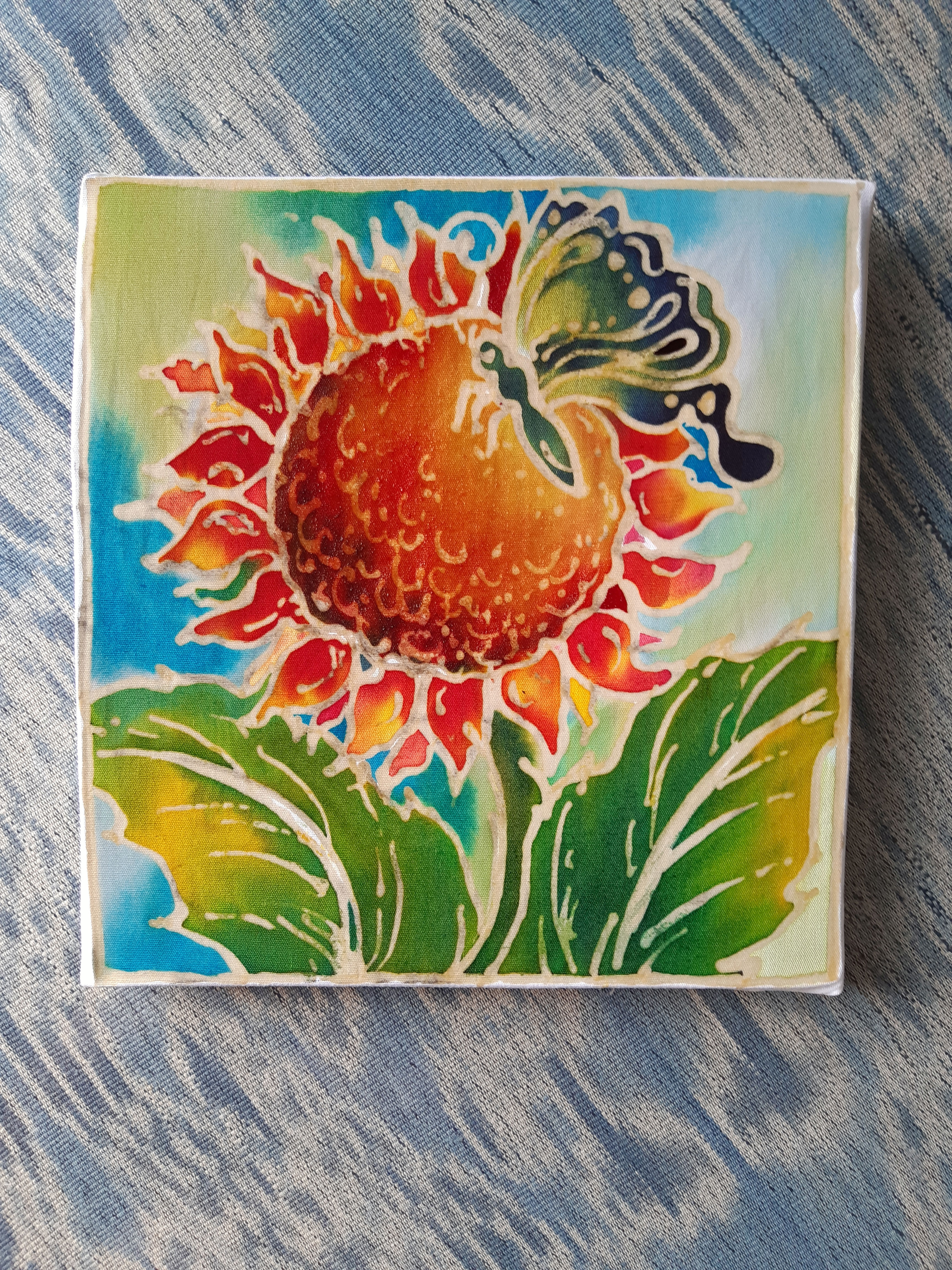
A beautiful batik project can go sideways fast when the supplies do not match the crafter. That is why this guide to batik craft supplies starts with a simple truth: the best setup is not the most advanced one. It is the one that helps you begin, enjoy the process, and finish with a piece you are proud to keep, gift, or display.
Batik has a strong visual appeal, but for many beginners, the traditional wax stage feels intimidating. That hesitation is understandable. Wax tools, heat control, and fabric prep can make the craft seem harder than it needs to be for a family activity, classroom project, or relaxed weekend session. The good news is that modern batik kits and pre-waxed designs make the art form far more approachable without losing its handcrafted character.
What belongs in a beginner-friendly guide to batik craft supplies
If you are shopping for batik supplies for the first time, it helps to separate essential tools from specialty tools. That one shift makes the category much easier to understand.
At the most basic level, batik painting needs a surface to paint, color to apply, and tools to control that color. In a traditional setup, you would also need wax, a tjanting tool, and a safe way to heat and handle the wax. For experienced batik artists, that process is part of the appeal. For beginners, kids, and group events, it can add too much setup and too many variables.
That is why pre-waxed batik pieces are such a smart entry point. The wax lines are already in place, so the design is ready to paint. You still get the satisfying color-flow effect that makes batik special, but without the pressure of creating wax outlines yourself.
The core supplies you actually need
The first item is the batik surface itself. This might be cotton fabric, a small framed art piece, a bookmark, a pouch, or another pre-waxed item designed for painting. Material matters here. Cotton tends to absorb dye well and gives that soft, classic batik look. Smaller pieces are often better for beginners because they feel manageable and finish faster.
Next comes color. Batik dyes are the heart of the project, and quality shows quickly. Good dyes spread well, stay vibrant after drying, and give enough control that you can blend or layer shades without turning everything muddy. For children and casual hobby sessions, ready-mixed dye sets are usually more convenient than powdered color systems. They reduce prep and make cleanup less stressful.
Brushes and palettes are also part of the essential setup. A small range of brush sizes is usually enough. A fine brush helps with tight sections near wax lines, while a medium brush covers larger spaces more smoothly. You do not need a huge brush collection to get good results. In fact, too many options can slow beginners down.
A palette or paint tray keeps colors organized and helps avoid over-pouring dye. This matters more than people expect, especially in group settings. A neat tray makes the activity feel easier and cuts down on wasted material.
Water and paper towels round out the basic station. They are simple, but they make the process much more forgiving. Quick rinsing between colors and easy blotting can save a project from accidental color overload.
Supplies that make crafting easier for families and classrooms
If you are planning batik as a family activity, party craft, or school project, convenience becomes part of the supply list. The craft should feel inviting, not like a logistics problem.
Pre-waxed DIY batik sets are often the most practical option because they bundle the main materials into one ready-to-use format. That usually means the design, dyes, palette, and brushes are already matched to the project. For parents and teachers, that reduces guesswork. For kids, it means less waiting and more painting.
Protective table covers are worth having, especially with younger crafters. Batik dyes can be vivid, and even careful artists drip now and then. Aprons or old shirts also help, but the real win is peace of mind. People relax more when they are not worried about the dining table.
Drying space is another detail that gets overlooked. If you are working with several painted pieces at once, you need a spot where artwork can sit flat and undisturbed. This is especially useful for birthday parties, workshops, and classroom rotations.
Traditional tools versus ready-to-paint kits
A good guide to batik craft supplies should be honest about this choice because it depends on what kind of experience you want.
Traditional batik tools offer a deeper hands-on connection to the art form. Wax application with a tjanting tool is beautiful and skillful, and many artists love the control and authenticity it brings. But it also asks for patience, practice, and a safe working setup. It is not always the best fit for beginners, children, or anyone who wants a portable activity.
Ready-to-paint batik kits remove that barrier. The wax design is already done, so the experience starts at the enjoyable color stage. That trade-off makes sense for many people. You lose the waxing step, but you gain accessibility, speed, and confidence. For hobbyists who want to enjoy batik regularly without building a full studio process, that is often a smart exchange.
How to choose the right batik supplies for your goal
Your ideal supply list depends on what you are making and who is making it.
If you are buying for a child, look for simple designs, a small number of colors, and tools that are easy to hold. A project that finishes in one sitting is often better than a larger piece that demands long attention.
If you are buying for a classroom or workshop, consistency matters more than variety. Matching kits save time because every participant has the same materials and clear expectations. That also makes instruction easier.
If you are buying for yourself as a hobbyist, think about the result you want. Do you want framed art, giftable pieces, or a relaxing craft for weekends? Your answer will shape the best surface size, color range, and level of detail.
If you are shopping for a gift, presentation matters. A batik set feels more thoughtful when it looks complete and ready to use. That is part of the appeal of curated kits and painted gift products - they feel creative without asking the recipient to source missing pieces.
What you can skip at the start
New crafters often overbuy because they assume more supplies mean better outcomes. Usually, the opposite is true.
You do not need a large set of specialty brushes, an advanced dye-mixing system, or professional wax equipment for your first batik project. You also do not need a huge design surface. Starting smaller gives you a better chance of learning how the color moves within the wax lines.
It is also fine to skip complicated prep items if you are using pre-waxed designs. That is the whole point of choosing an easier format. Let the project feel enjoyable first. You can always expand into traditional techniques later.
Quality signs to look for before you buy
Not all batik supplies are equally beginner-friendly. A few signs make a big difference.
Clear wax lines are one of them. On a pre-waxed piece, the pattern should be clean and visible enough that you can easily see where to paint. If the lines are messy or too faint, the process becomes frustrating.
Balanced kit contents also matter. A good set includes enough dye for the design, not just a token amount. The brushes should suit the scale of the artwork, and the palette should feel practical rather than like an afterthought.
Design choice matters too. Some patterns are dense and intricate, while others give more open space for blending and experimentation. Neither is wrong, but beginners usually enjoy designs with enough room to play with color.
That is one reason approachable, ready-made batik sets have become so popular. Brands like Tumadi Batik help bridge the gap between traditional craft and everyday creativity by offering pre-waxed projects that feel authentic without being overwhelming.
A simple setup makes batik more enjoyable
The most useful batik supplies are the ones that keep you painting instead of troubleshooting. For many people, that means starting with a pre-waxed piece, a curated dye set, a few dependable brushes, and enough table protection to stay relaxed.
There is room to grow from there. You might later explore larger projects, more detailed patterns, or even traditional waxing tools. But your first supply choices should support success, not test your patience. Batik is at its best when the materials invite you in and the finished piece still feels unmistakably handmade.
Choose supplies that match the moment - a quiet afternoon at home, a classroom art session, a creative party table, or a meaningful gift - and the craft tends to meet you there.


Comments