

Family Batik Painting Activity Ideas at Home
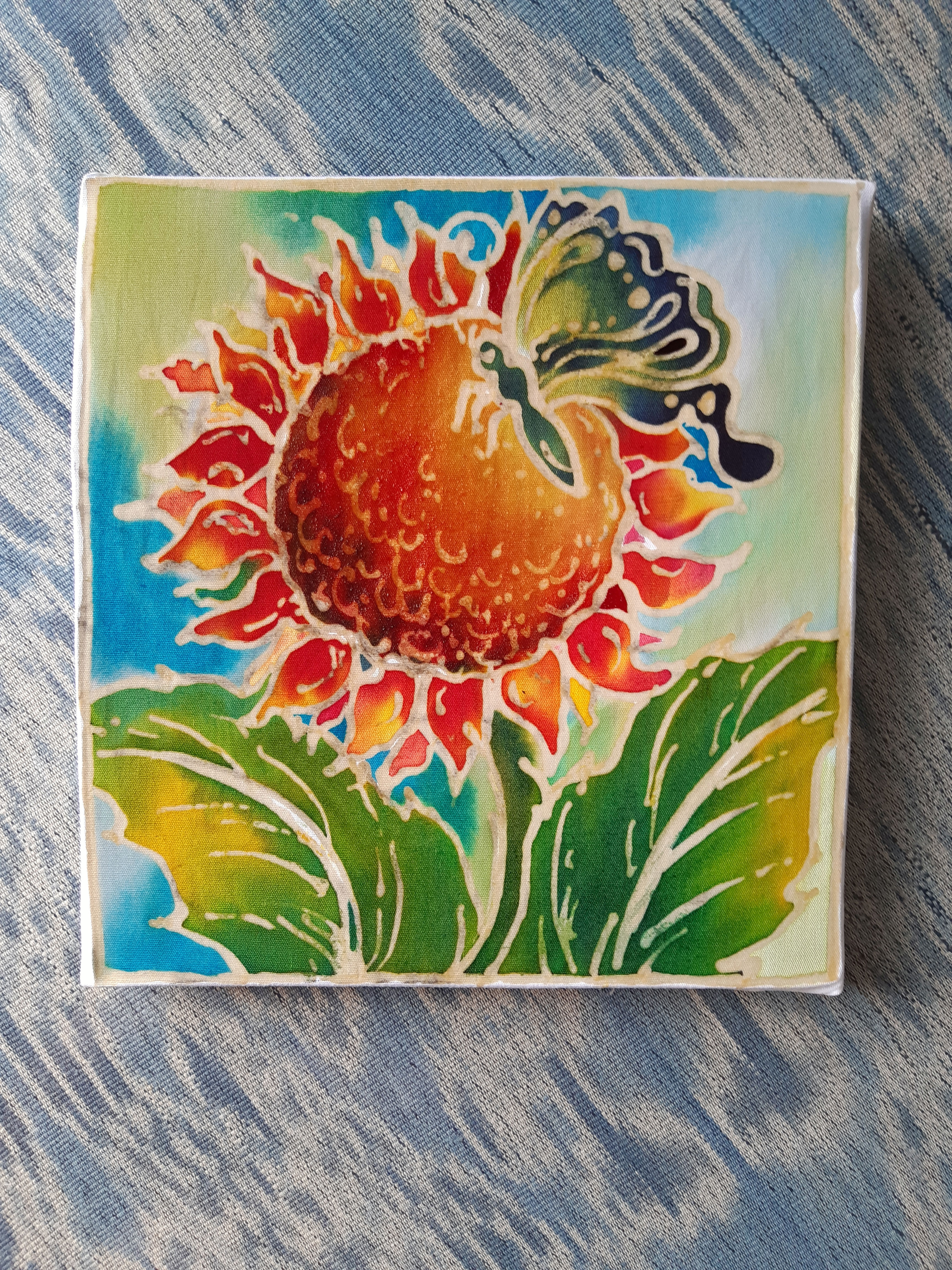
A good family craft needs to do two things at once - keep everyone engaged and leave you with something worth saving. That is exactly why a family batik painting activity works so well. It feels creative without being chaotic, structured without being stiff, and special enough that kids, parents, and even grandparents can all enjoy the same table.
Batik has a long artistic heritage, but it does not have to feel intimidating. For many families, the hard part is not the painting itself. It is the setup, the uncertainty, and the fear of starting with something too complicated. When the design is already hand-waxed and ready to paint, the experience becomes much more welcoming. You still get the beautiful batik look, but without asking beginners to master the wax stage first.
Why a family batik painting activity feels different
Some crafts are over in ten minutes. Others ask for so much prep that parents are tired before the kids begin. Batik painting lands in a sweet spot. It has enough detail to feel meaningful, but it is simple enough for a casual afternoon, birthday table, homeschool project, or holiday gathering.
The wax-resist lines help guide the painting, which is especially helpful for younger children or anyone who feels unsure about art. Instead of staring at a blank surface, each person starts with a design that already has character. That small difference changes the whole mood. People relax faster, make choices more confidently, and usually enjoy the process more.
There is also a built-in sense of discovery. As colors spread across the fabric or pre-waxed piece, the pattern starts to come alive. That moment is satisfying for adults and kids alike. It feels handcrafted, but still approachable.
What makes batik beginner-friendly for families
Not every art activity works across age groups, and that matters when you are planning something for a household or mixed family event. Batik painting is especially useful because it can be adjusted without losing its appeal.
A younger child may focus on bold blocks of color and simple brushwork. An older sibling may experiment with shading or color blending. Adults often enjoy choosing palettes, refining details, or thinking about where the finished piece will be displayed. Everyone is doing the same activity, but at their own pace.
That flexibility is one reason ready-to-paint batik kits are so practical. Pre-waxed designs remove the most technical step while keeping the craft rooted in traditional batik style. For families who want cultural artistry without a steep learning curve, that balance matters. It keeps the experience authentic in spirit and manageable in practice.
Setting up your family batik painting activity at home
The best setup is usually the simplest one. A kitchen table, a folding table in the living room, or even a covered patio can work well. You do not need a studio. You need enough space for each person to paint comfortably, a protected surface, and easy access to water, palettes, and brushes.
If children are involved, it helps to think in advance about pace rather than perfection. Put each person’s piece in front of them before opening dyes or paints. Keep paper towels nearby. Use aprons or old shirts if that lowers stress. Once the materials are visible and organized, people can begin without waiting for constant instructions.
Lighting also helps more than people expect. Batik designs are easier to follow when the room is bright, especially for fine wax lines. A clear workspace tends to make the activity feel calmer and more enjoyable.
A smart setup for mixed ages
If your group includes toddlers, grade-school kids, teens, and adults, give everyone the same basic materials but adjust expectations. Younger kids may need fewer colors at first. Older participants usually enjoy having more room to mix and layer.
It is also worth planning drying space before anyone starts. A countertop, tray, side table, or protected shelf can save a lot of last-minute juggling once the artwork is finished.
Choosing the right design for your family
This is where the activity can either click immediately or feel harder than it needs to. If the design is too detailed for the youngest participants, frustration shows up fast. If it is too simple for older kids or adults, attention fades.
For first-time family sessions, medium-detail designs tend to work best. They offer enough pattern to feel interesting without demanding perfect brush control. Floral motifs, simple animals, nature themes, and geometric patterns are often strong choices because they give each person room to personalize color.
It also helps to choose a surface with a clear purpose. Some families enjoy painting artwork to frame. Others prefer practical pieces such as bookmarks, coasters, or giftable items. When the finished result has a natural place in daily life, people often feel more excited to complete it.
How to keep the activity fun instead of stressful
The easiest way to lose momentum is to treat the session like a test. Batik painting goes better when the goal is expression, not precision. That does not mean messy for the sake of messy. It means allowing each person to make the piece their own.
A few gentle prompts can help if someone feels stuck. Try asking whether they want warm colors, cool colors, bright contrast, or a softer look. Ask what mood they want the piece to have. Those kinds of choices feel easier than asking someone to "make art."
It is also normal for family members to work at different speeds. One child may finish quickly and want another project. Another person may spend a long time refining details. That is not a problem unless the setup makes it one. If possible, build in a little extra time so no one feels rushed.
Should everyone match or do their own thing?
It depends on the occasion. If this is a birthday activity or party table, matching designs can create a nice shared experience. If it is a weekend craft session at home, individual designs usually make the process more personal.
There is no single best choice. A coordinated set can look beautiful together, especially if displayed as a group. On the other hand, letting each person choose their own design often increases excitement and gives the activity more staying power.
When a batik kit is better than gathering supplies yourself
You can assemble materials on your own, but for most families, convenience matters. A complete set reduces prep, limits guesswork, and makes the activity easier to repeat. That is especially useful if you are planning for children, guests, classrooms, or a group event where attention spans are limited.
A good beginner-friendly kit gives structure without making the activity feel rigid. Pre-waxed pieces, selected colors, palettes, and brushes create a smoother start. Instead of hunting down materials, parents can focus on the fun part - helping everyone settle in and paint.
This is where brands like Tumadi Batik fit naturally into family crafting. The ready-to-paint format keeps traditional batik visible and accessible, while removing the barrier that often stops beginners from trying it at all.
Great occasions for a family batik painting activity
One reason this craft has such broad appeal is that it works in more than one setting. It can be a quiet rainy-day project, but it can also hold its own at events.
At home, it makes a thoughtful weekend activity when you want something more memorable than screen time. During school breaks, it gives kids a hands-on project that feels artistic without needing constant reinvention. For birthdays and family gatherings, it offers a shared experience and a take-home result.
Teachers and organizers also like batik painting because it feels culturally rich and visually impressive without requiring advanced technical skill. That said, larger groups do benefit from extra planning. You need enough table space, enough drying space, and a design choice that suits the time available.
The part families remember most
It is not usually the perfect brushstroke. It is the moment someone says, "Wait, that turned out really good." Batik painting has a way of creating small surprises like that. People who thought they were not artistic often end up proud of what they made.
That matters. A successful family activity is not just about filling an hour. It is about creating a shared memory and giving everyone something tangible from it. Batik does both well because the process is hands-on, the finished work feels personal, and the heritage behind the art gives the experience extra depth.
If you are looking for a creative tradition your family can actually return to, start simple. Pick a design that feels inviting, set out the colors, and let the wax lines do some of the guiding. Sometimes the best art activity is the one that makes everyone want to do it again next weekend.


Comments