

Batik Painting vs Tie Dye: What Fits Best?
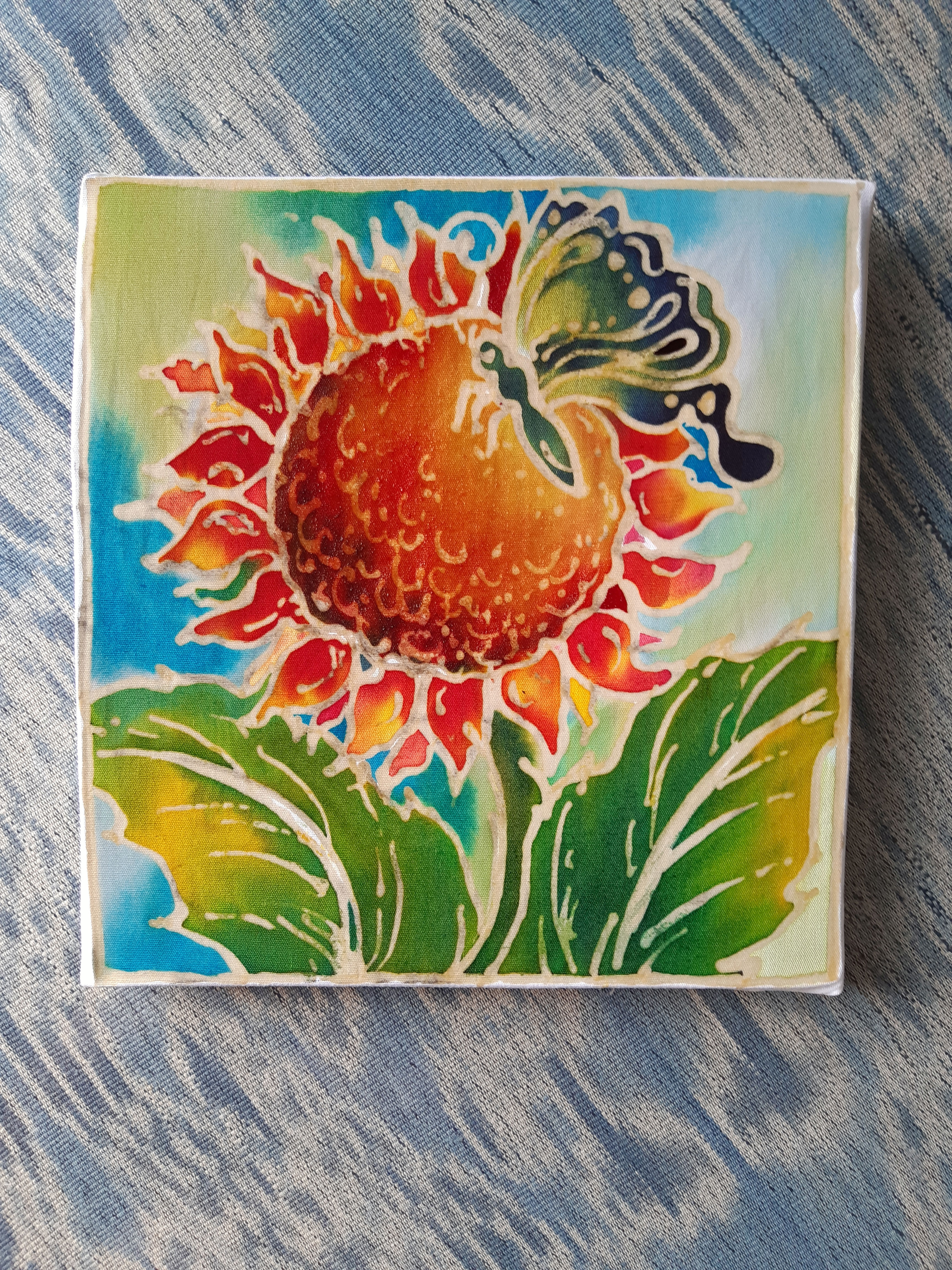
One gives you crisp lines, quiet focus, and designs that feel like painted textile art. The other gives you bold bursts of color, surprise patterns, and a let-loose kind of fun. If you are weighing batik painting vs tie dye, the better choice is not about which craft is "better" overall. It is about the kind of creative experience you want, how much setup you can manage, and what you hope the finished piece will look like.
For families, teachers, hobbyists, and gift buyers, this difference matters more than it first seems. Two fabric crafts can sit in the same category and still feel completely different once they are in your hands. Batik painting leans artistic and intentional. Tie dye leans playful and unpredictable. Both are colorful. Both are beginner-friendly in the right format. But they serve different moods, different settings, and different results.
Batik painting vs tie dye at a glance
The fastest way to understand batik painting vs tie dye is to look at how each craft controls color. In tie dye, fabric is folded, twisted, scrunched, or bound so dye reaches some areas and misses others. The pattern comes from pressure and resist. In batik painting, wax blocks the dye from entering selected areas, so the design stays protected while color is added around it.
That one difference changes almost everything. Tie dye tends to produce soft edges, radiating rings, stripes, spirals, and marbled effects. Batik painting creates cleaner outlines, shaped sections, and more detailed imagery. If you want a shirt that looks spontaneous and energetic, tie dye usually gets you there faster. If you want a butterfly, floral motif, geometric panel, or decorative artwork with recognizable shapes, batik painting is usually the better fit.
What batik painting feels like
Batik painting is often a calmer, more guided craft session. Traditional batik uses wax applied with tools such as a tjanting to create resist lines on fabric before dye is added. That process is beautiful, but for many beginners it can feel like a big first step. Wax handling takes practice, time, and care.
That is why pre-waxed batik painting is such a practical starting point. Instead of learning the waxing stage first, you begin with a hand-waxed design already in place. You can focus on the color part right away, which is often what people are most excited about. For beginners, kids, classrooms, and group events, this changes batik from a specialist art form into an accessible creative project without losing the character that makes it batik.
The experience itself is closer to painting than to dye chaos. You choose colors section by section, watch them spread inside wax boundaries, and build the piece with more intention. There is still room for experimentation, especially with blending and shading, but the structure helps people feel successful early on.
What tie dye feels like
Tie dye is usually faster, messier, and more open-ended. The appeal is immediate. Twist a shirt, bind it, squeeze on dye, and wait to see what happens. That reveal is part of the fun.
For parties, camps, and casual family crafting, tie dye has a lot going for it. It is energetic and social. Nobody expects perfect precision. In fact, the imperfect overlap of colors is part of the look. Kids often enjoy it because there is less pressure to stay inside lines or plan every choice.
But that freedom comes with trade-offs. If someone wants a certain image or a polished decorative result, tie dye can feel limiting. Even when you follow a specific folding method, the final pattern still has an element of surprise. Some people love that. Others want more control.
Which one is easier for beginners?
This depends on what kind of beginner you mean.
If you mean someone who wants instant action and does not mind mess, tie dye can feel easier. The setup is simple, the rules are loose, and the process is forgiving. You do not need to think much about composition before you begin.
If you mean someone who wants a better chance of ending with a piece they are proud to display or gift, pre-waxed batik painting can actually feel easier. The design framework is already there. You are not starting from a blank piece of fabric and hoping the folds turn out well. You are choosing colors within a clear design, which gives a lot of confidence to first-timers.
This is especially true for adults who say they are "not artistic" but still want something beautiful at the end. Batik painting gives them more guidance without making the activity feel childish.
Batik painting vs tie dye for kids, classrooms, and groups
In a classroom or organized event, cleanup and predictability matter almost as much as creativity. Tie dye can be a hit for large groups, but it usually needs a generous mess budget. Gloves, squeeze bottles, plastic-covered tables, rinse areas, and drying space all become part of the plan. That is fine when the environment allows for it.
Batik painting, especially in a ready-to-paint format, is often easier to manage when you want a more contained activity. Participants can sit down, paint section by section, and enjoy a clearer sense of progress. Teachers and workshop organizers also tend to appreciate that the project has visible structure. It helps keep different ages engaged.
For younger children, tie dye may be simpler if the goal is just colorful fun. For mixed-age groups, family sessions, and art activities where the finished piece matters, batik painting often has the edge. It feels special without being hard to start.
The look of the finished piece
This is where the choice usually becomes obvious.
Tie dye has a casual, high-energy look. It works well for T-shirts, summer activities, camp crafts, and projects where bright movement is the whole point. Even when done neatly, it still reads as playful.
Batik painting has a more decorative and artisanal finish. The wax lines give shape and rhythm to the design, which makes the result feel more like textile art. It can be framed, displayed, or turned into a thoughtful handmade-style gift. If you are creating for home decor, cultural appreciation, or a more refined craft experience, batik painting often feels more substantial.
That does not mean one is more creative than the other. They simply express creativity in different ways. Tie dye celebrates surprise. Batik painting celebrates intention.
Time, setup, and convenience
If convenience means minimal planning and quick excitement, tie dye wins. If convenience means opening a kit and having the core design work already prepared for you, batik painting can be the more convenient option.
That distinction matters for busy parents and hobbyists. A lot of people love the idea of textile art but do not want to source separate materials or learn technical prep first. A pre-waxed batik set makes the process much more approachable because the intimidating stage is already done. You can sit down and start coloring rather than spending your energy on setup.
That is one reason brands like Tumadi Batik appeal to beginners. The experience keeps the heritage character of batik while removing the part that usually stops people from trying it.
When batik painting is the better choice
Choose batik painting if you want a craft that feels artistic, guided, and display-worthy. It is a strong fit for people who enjoy painting, color selection, and decorative detail. It also works well when you need an activity that feels meaningful without being overly technical.
It is especially well suited for giftable projects, parent-child crafting with a keepsake result, classroom art with clearer structure, and anyone curious about traditional batik but not ready to handle wax application from scratch.
When tie dye is the better choice
Choose tie dye if you want movement, energy, and a low-pressure project where unpredictability is part of the appeal. It is great for casual outdoor crafting, summer parties, and groups that want a fast, colorful activity with lots of personality.
If the idea of perfect lines sounds stressful and you would rather experiment freely, tie dye may be more fun. It is less about careful placement and more about the joy of transformation.
So which should you pick?
If your goal is expressive fun and surprise, tie dye makes sense. If your goal is beautiful detail, creative control, and a more artisanal result, batik painting is likely the better match. For many beginners, the real comparison is not traditional batik versus tie dye. It is pre-waxed batik painting versus tie dye, and that is where batik becomes much more approachable.
A good craft should meet you where you are. Some days call for bright chaos. Other days call for a brush, a prepared design, and the quiet satisfaction of watching color settle exactly where you meant it to go.


Comments